
Skiing in Abruzzo – snow report
The most popular ski resorts, the updated snow report and useful information on how to find lifts or book accommodation for your winter holiday


Benedictine and Cistercian abbeys, a ruined fortified village above the L’Aquila basin, the castle and abbey of Capestrano, the most visited sanctuary in Abruzzo, a crystal-clear river to paddle down, spas and the honey village: places worth the journey, gathered on one page with the information you need to get there.
The most popular ski resorts, the updated snow report and useful information on how to find lifts or book accommodation for your winter holiday

View the webcams in Abruzzo and check real‑time weather conditions. Some webcams belong to www.abruzzoparchi.it, others are located throughout the region

Weather forecasts for the coming days in Abruzzo. Live weather via our webcams and temperatures recorded in several mountain areas
Maps for trekking, mountain biking, ski touring, running and horse riding. You can also download the GPX track of each route
Abruzzo’s villages are famous for their fortresses, mountains and the traditional trabocchi along the southern coast
One of Italy’s most famous and oldest national parks
Located in the heart of the Apennines, home to the beautiful villages of the Rocche Plateau
One of the snowiest places in Italy, a unique mountain massif rising close to the sea

Choose between sea or mountains, summer or winter, a sporty holiday or a relaxing one — Abruzzo has it all

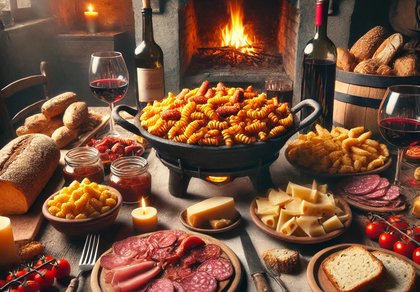
Abruzzo is famous for its cuisine, both mountain and coastal, with traditions that vary from area to area
Walks, diving, climbing, mountain biking, horse riding — all outdoor activities available in Abruzzo
From the Pescara valley to the Tirino valley, from the L’Aquila basin to the foot of the Gran Sasso and the Sangro hills: seven places to visit and three different ways to enjoy Abruzzo, with water, spas and honey.
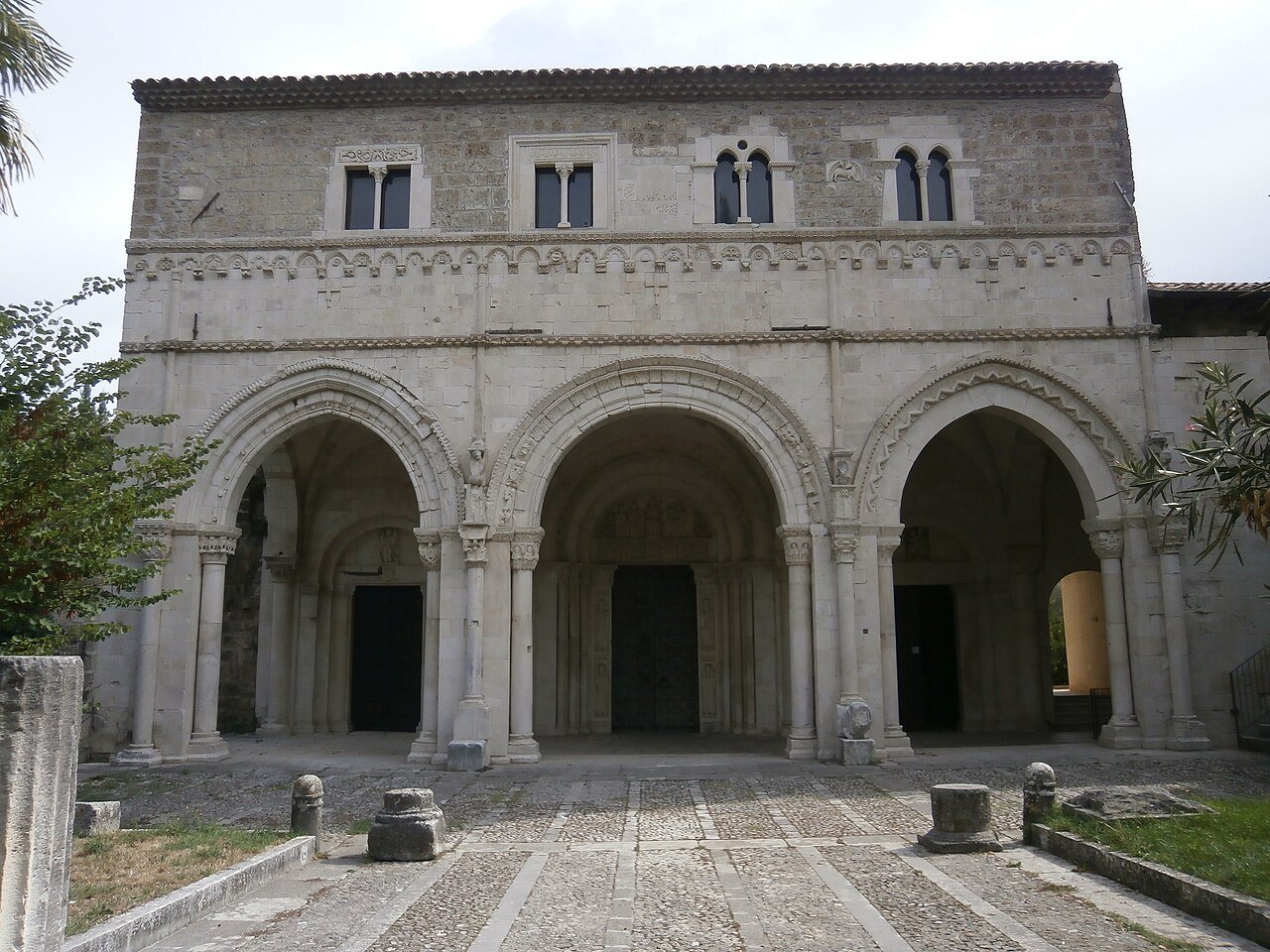
Castiglione a Casauria 350 m · Pescara valley
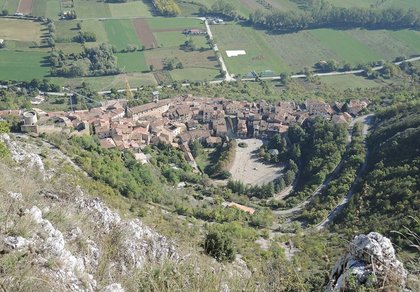
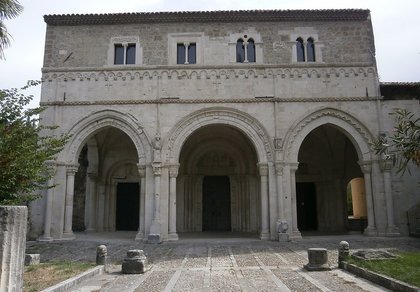
The abbey was founded in 871 by Emperor Louis II, great-grandson of Charlemagne, as a vow for his release from captivity in Benevento. First dedicated to the Holy Trinity, in 872 it received the relics of Pope Clement I and took his name. Sacked by the Saracens in 920 and destroyed in 1076, it was rebuilt by Abbot Grimoaldo and reconsecrated in 1105. It has been a national monument since 1894.
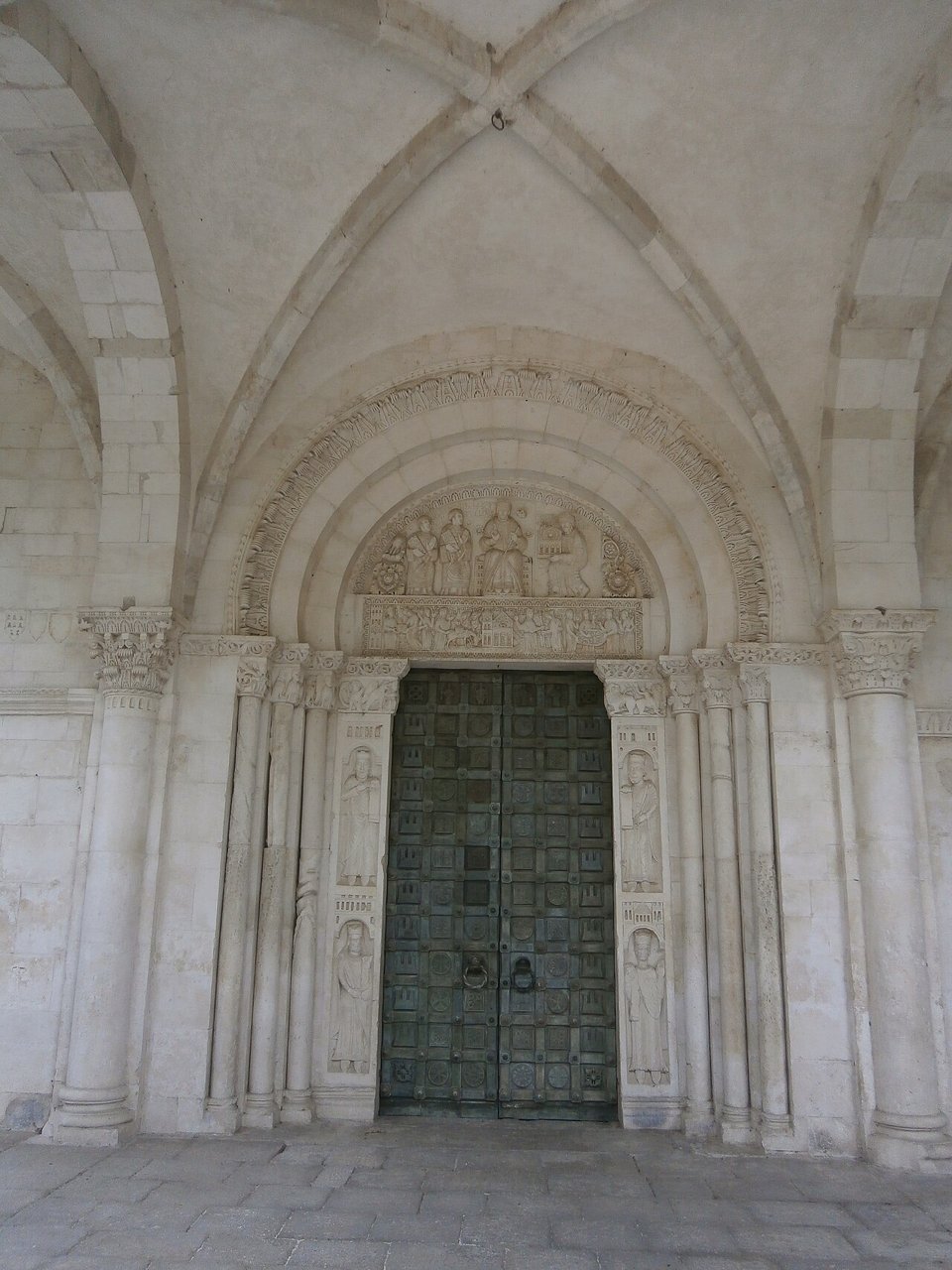
The façade has a three-arched portico with carved capitals; the central doorway keeps its bronze doors, whose panels show the castles that belonged to the abbey. Inside, with nave and two aisles, are the pulpit, the Easter candlestick and the ciborium over the altar, masterpieces of medieval sculpture in Abruzzo. Damaged by the 2009 earthquake, the abbey was restored and reopened in 2011.
It is a state site run by the Abruzzo Regional Museums Directorate: according to the 2026 service charter it is open all year from Tuesday to Sunday (closed on Mondays, 25 December and 1 January), with paid admission. Phone 085 8885162. It stands next to the «Torre de’ Passeri – Castiglione a Casauria» exit of the A25 motorway.
Nearby: Tocco da Casauria and its Centerbe liqueur, the spa town of Popoli Terme and the Orta valley towards Caramanico.
Manoppello 217 m · between the Pescara valley and the Majella
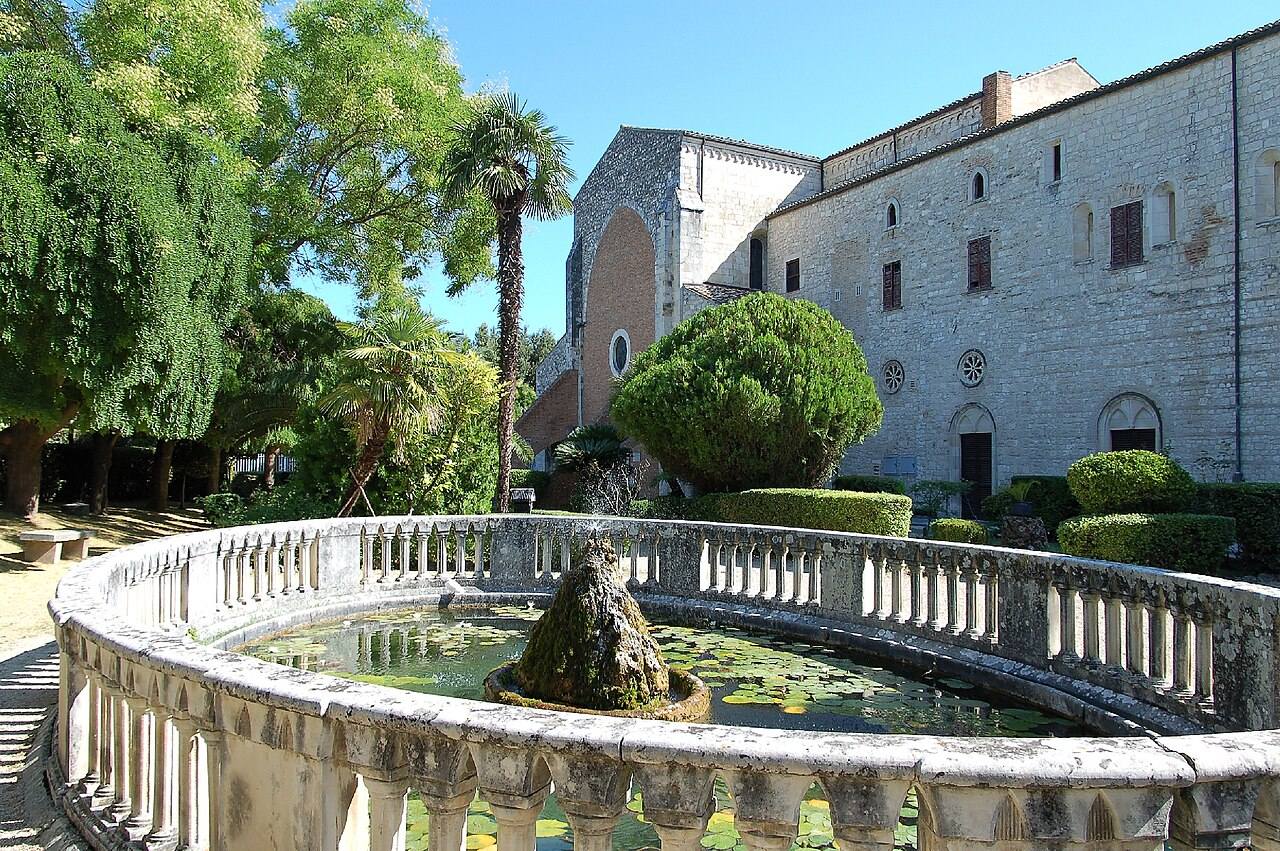
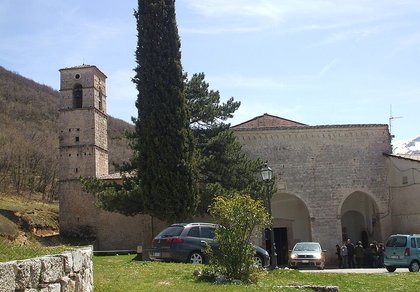
On a hill overlooking the Pescara valley, Cistercian monks began building it in 1197, reusing the stones of a Roman temple: the name may come from ara Bonae, the altar of the Bona Dea. The church, never finished, is one of the earliest examples of Cistercian Gothic in Abruzzo; inside are frescoes, a stone Easter candlestick and a carved tabernacle. It has been a national monument since 1902. Next to it is a garden with a fountain. For opening times and guided visits call 085 8561500 (parish).
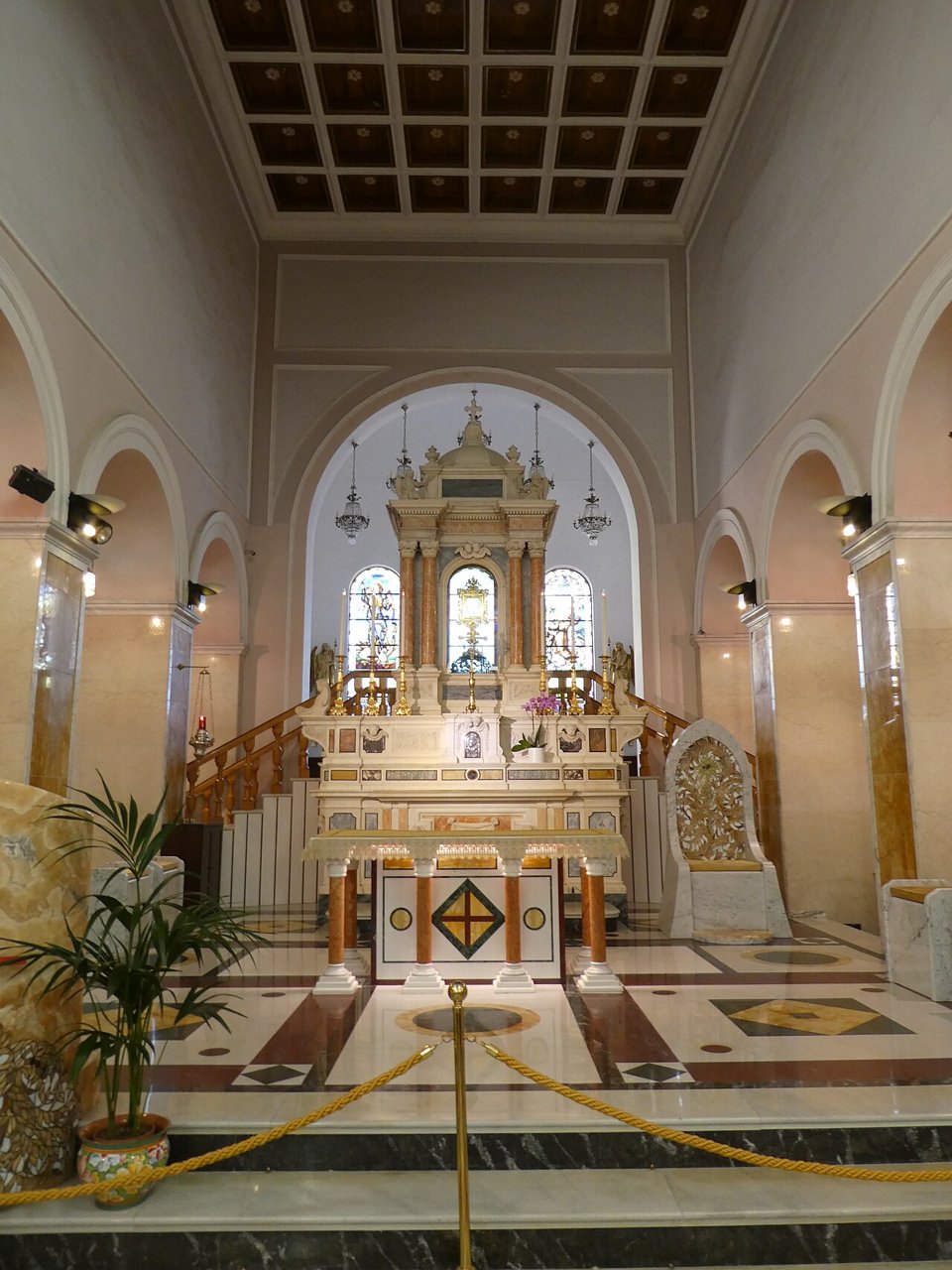
Outside the town, in the Capuchin friary, the Holy Face has been kept since 1620: a fine veil bearing the face of Christ, which tradition identifies with the veil of Veronica. In 2006 Pope Benedict XVI visited it and made the church a minor basilica. The basilica is open every day from 6 am to 7 pm: 085 859118, www.voltosanto.it.
From Manoppello the road climbs towards the Majella: by mountain bike from Lettomanoppello to Passo Lanciano. The surrounding hills produce Aprutino Pescarese PDO olive oil.
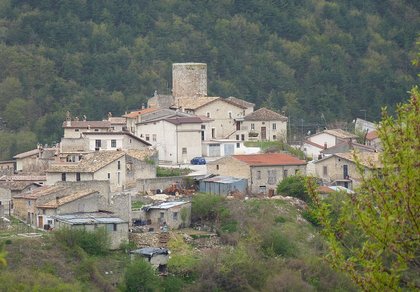
Ocre 850 m · above the L’Aquila basin, next to Fossa
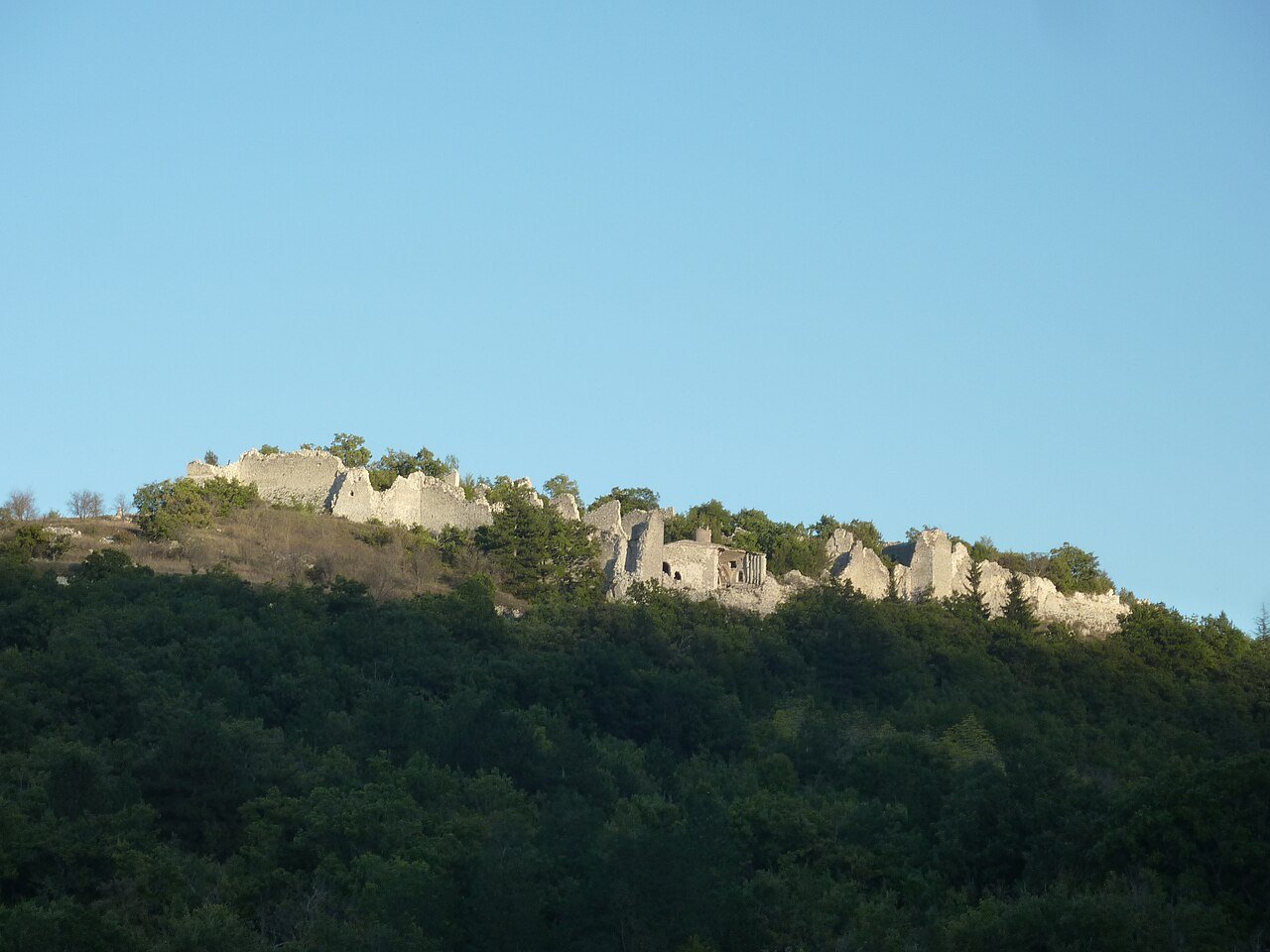
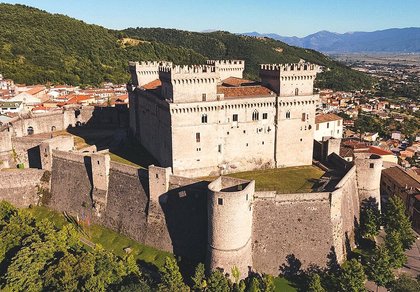
On Monte Circolo, at 933 metres, on the rim of the sinkhole above Fossa, Ocre castle is really a fortified village: inside its triangular walls, 470 metres round, houses, tower-houses and streets survive. Mentioned as early as 1178, in 1254 it took part in the founding of L’Aquila; in 1423 it was taken by Braccio da Montone and then slowly abandoned. The 2009 earthquake caused further collapses.
Today it is a ruin with no ticket office, reached on foot: the ground is uneven, with loose stones and unstable walls. Keep away from the propped-up sections and, for guided visits, ask the municipality (0862 751413).
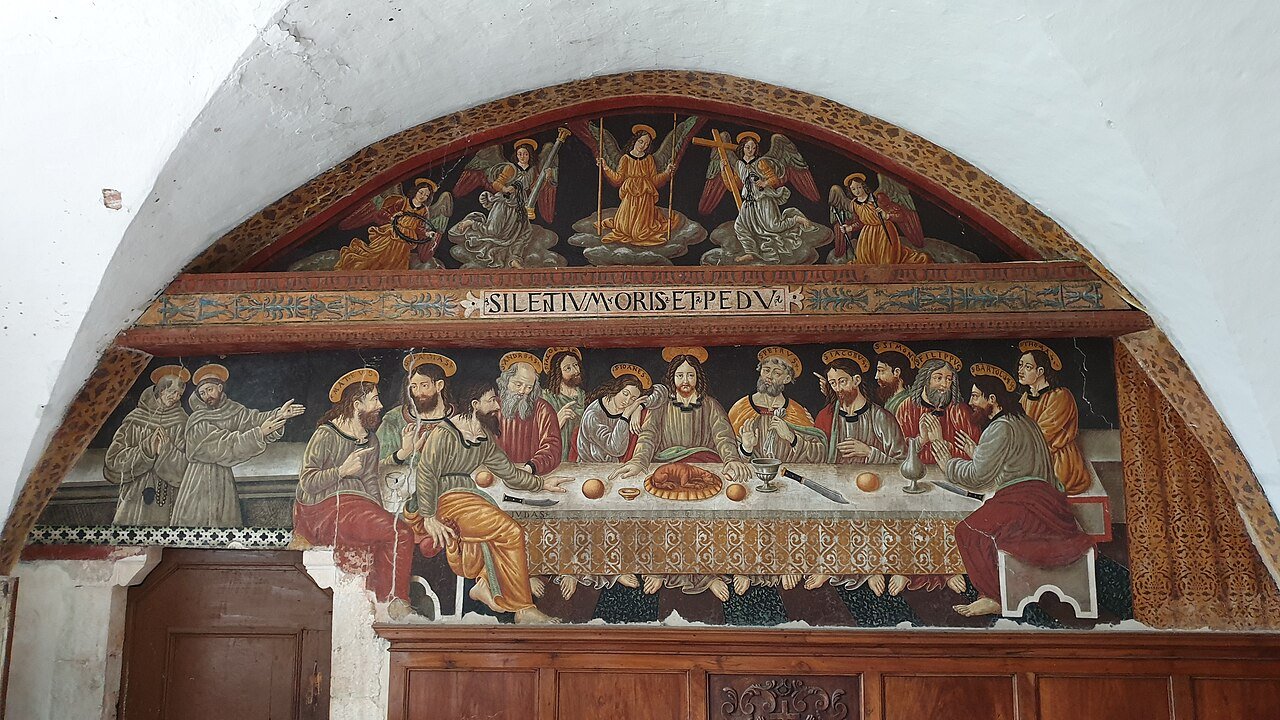
On a spur of Monte Circolo, above the church of Santa Maria ad Cryptas in Fossa, stands the Franciscan convent of Sant’Angelo, founded in 1409 as a Benedictine nunnery and entrusted to the Friars Minor in 1480. The refectory has a large fresco of the Last Supper; Blessed Timoteo da Monticchio spent his last years here.
For a walk: Monte Ocre from Rocca di Cambio along the ridge. The Fossa page describes the village below the castle.
Capestrano 465 m · Tirino valley, Gran Sasso and Monti della Laga National Park
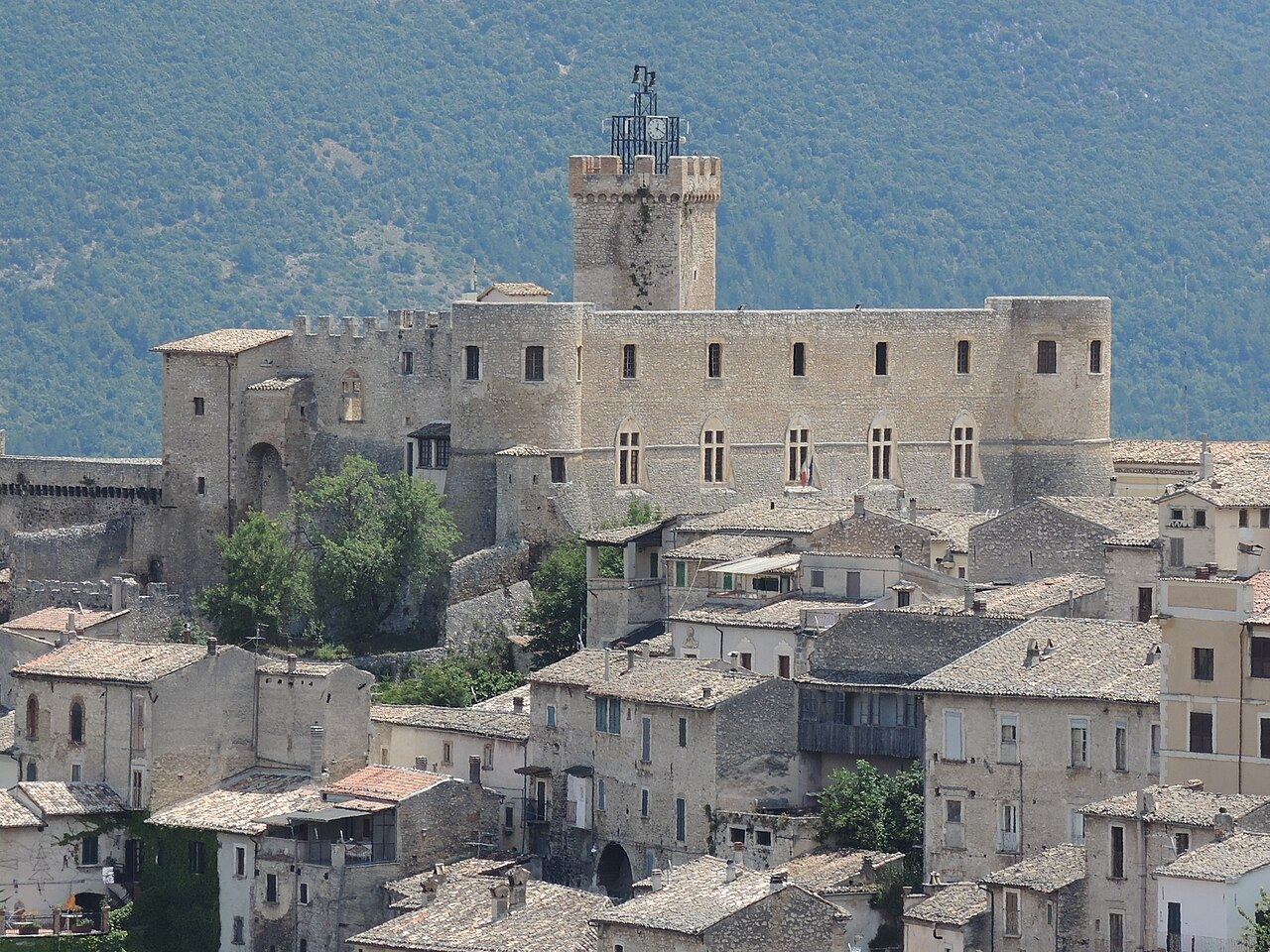
It dominates the village from the main square: built around the medieval watchtower, it owes its present shape to the 15th century (1485) and takes its name from the Piccolomini, who held it after the Acquaviva and the Celano families. The façade is framed by two round towers, with the coat of arms over the entrance; the courtyard has a 15th-century marble well. It belongs to the municipality.
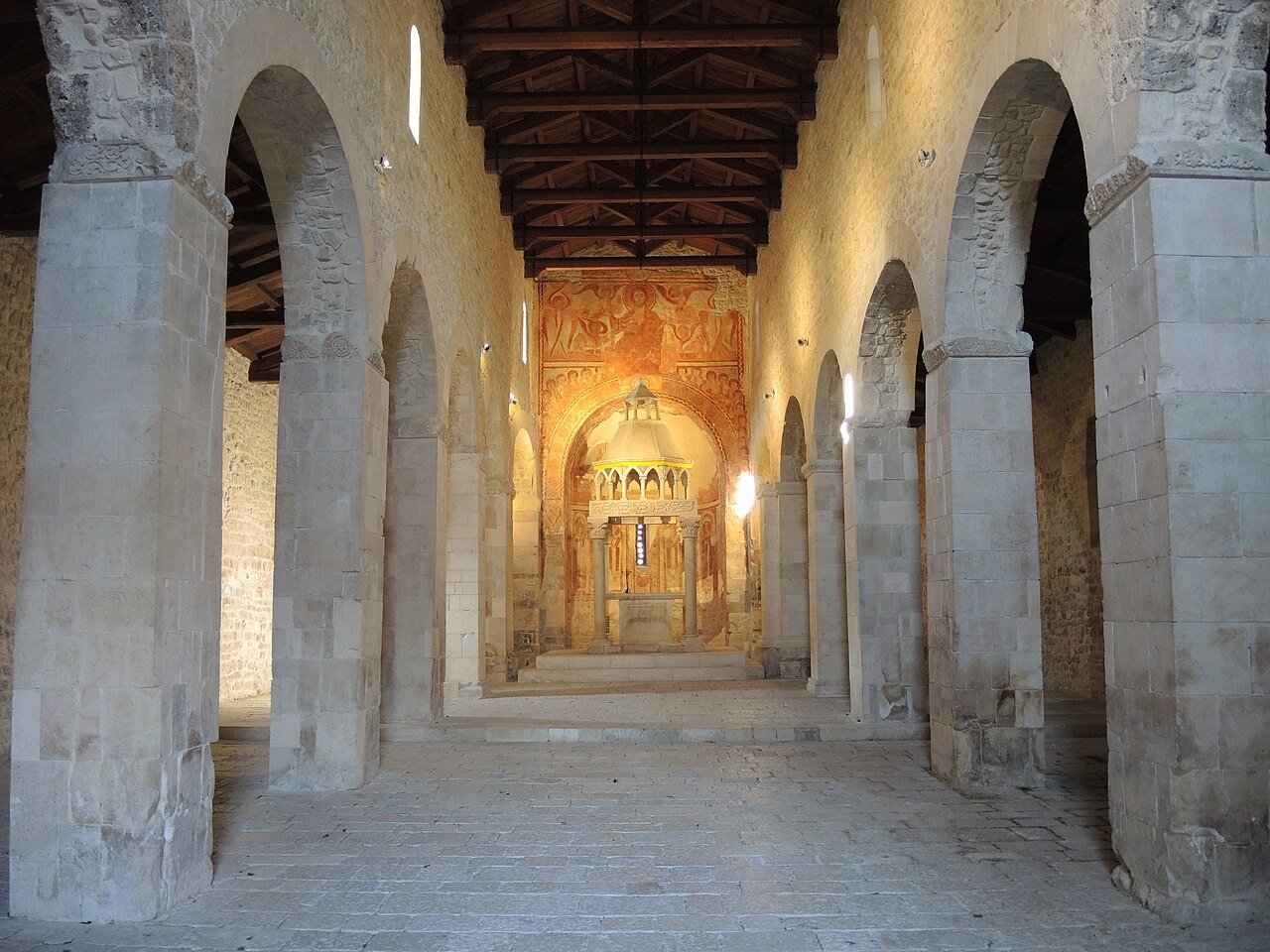
Just outside the village, in the middle of the valley, stands one of the oldest Romanesque churches in Abruzzo: founded according to tradition in the 8th century by the Lombard king Desiderius, it was rebuilt around 1100. Inside, with nave and two aisles, are a ciborium and frescoes of Christ enthroned; a stone on the façade bears the mysterious Sator square. The church is state-owned and can be visited by appointment only, free of charge: 0871 63137 (Abruzzo Regional Museums Directorate).
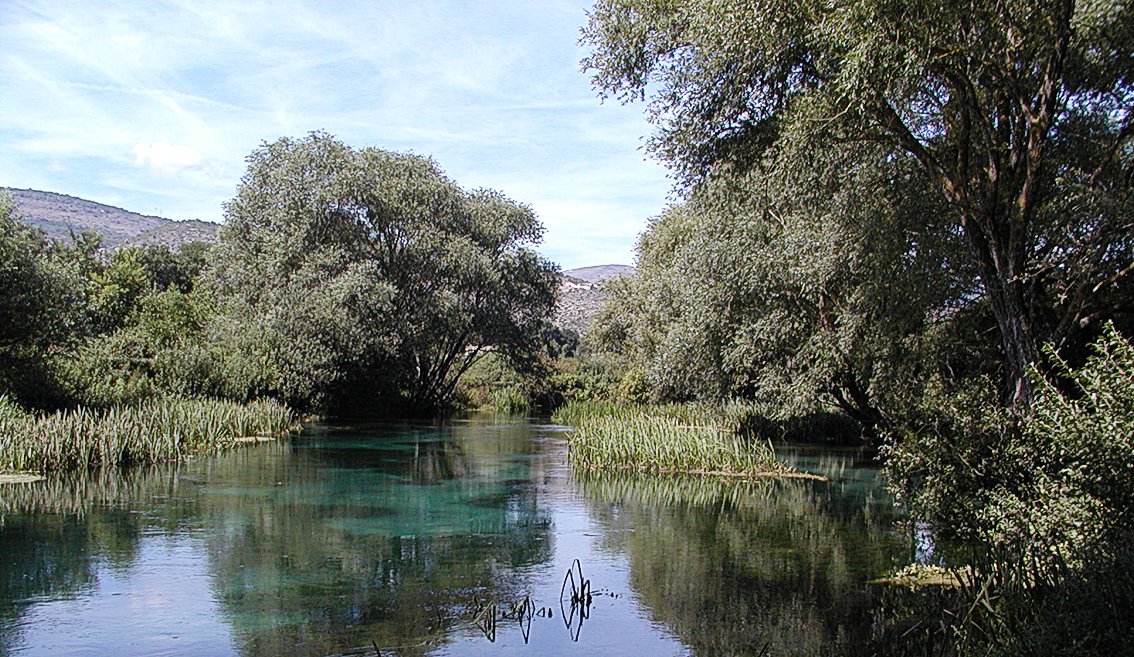
In the necropolis of ancient Aufinum, below the village, the Warrior of Capestrano was found in 1934: the Vestini statue that has become the symbol of Abruzzo, now in the National Archaeological Museum in Chieti. The three springs of the Tirino rise in Capestrano’s territory: Capodacqua, Lake Capestrano and Presciano. Lake Capodacqua covers the remains of old mills; the river is famous for the Tirino trout and for canoeing.
Isola del Gran Sasso d’Italia 407 m · at the foot of the Gran Sasso
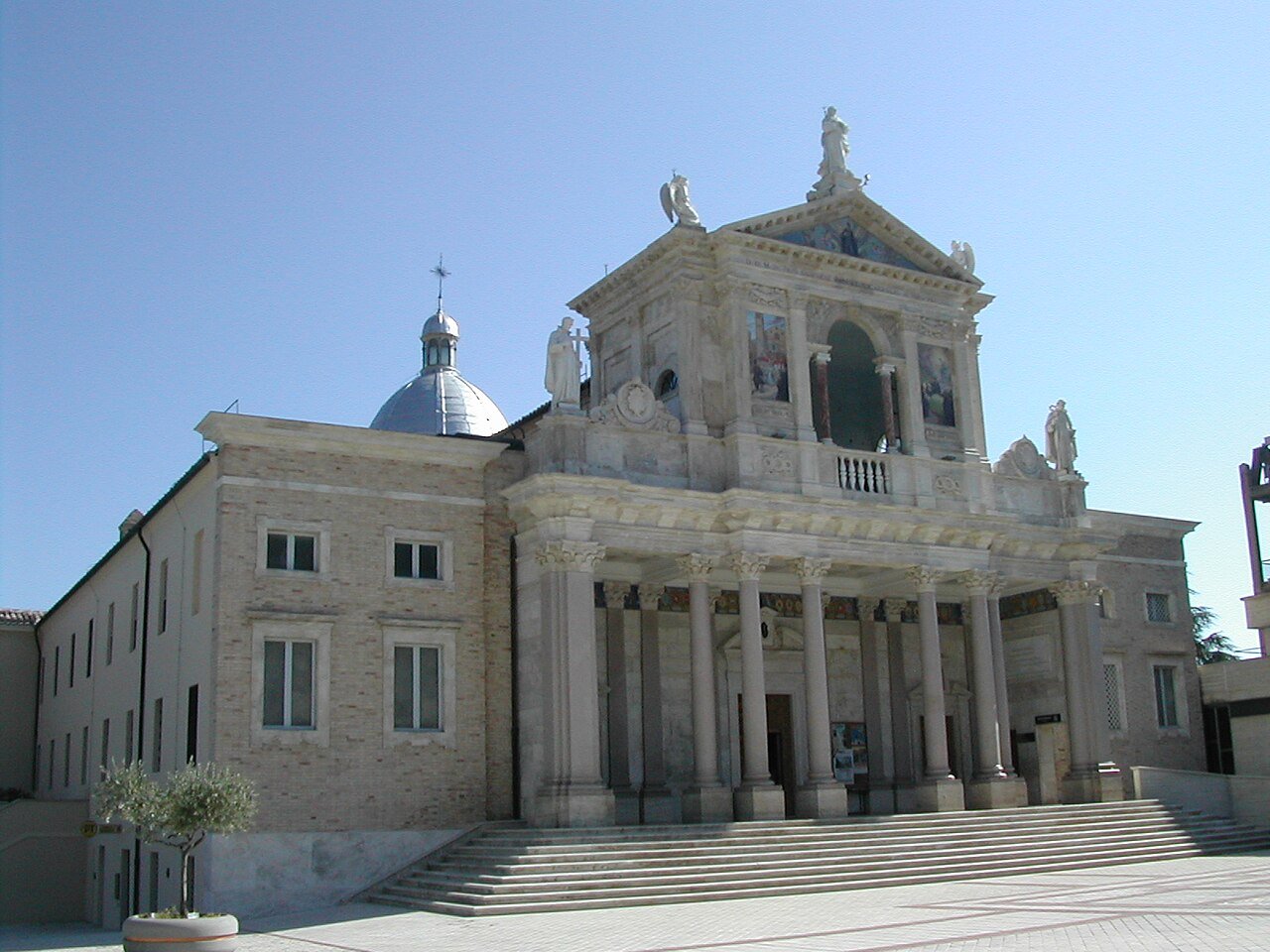
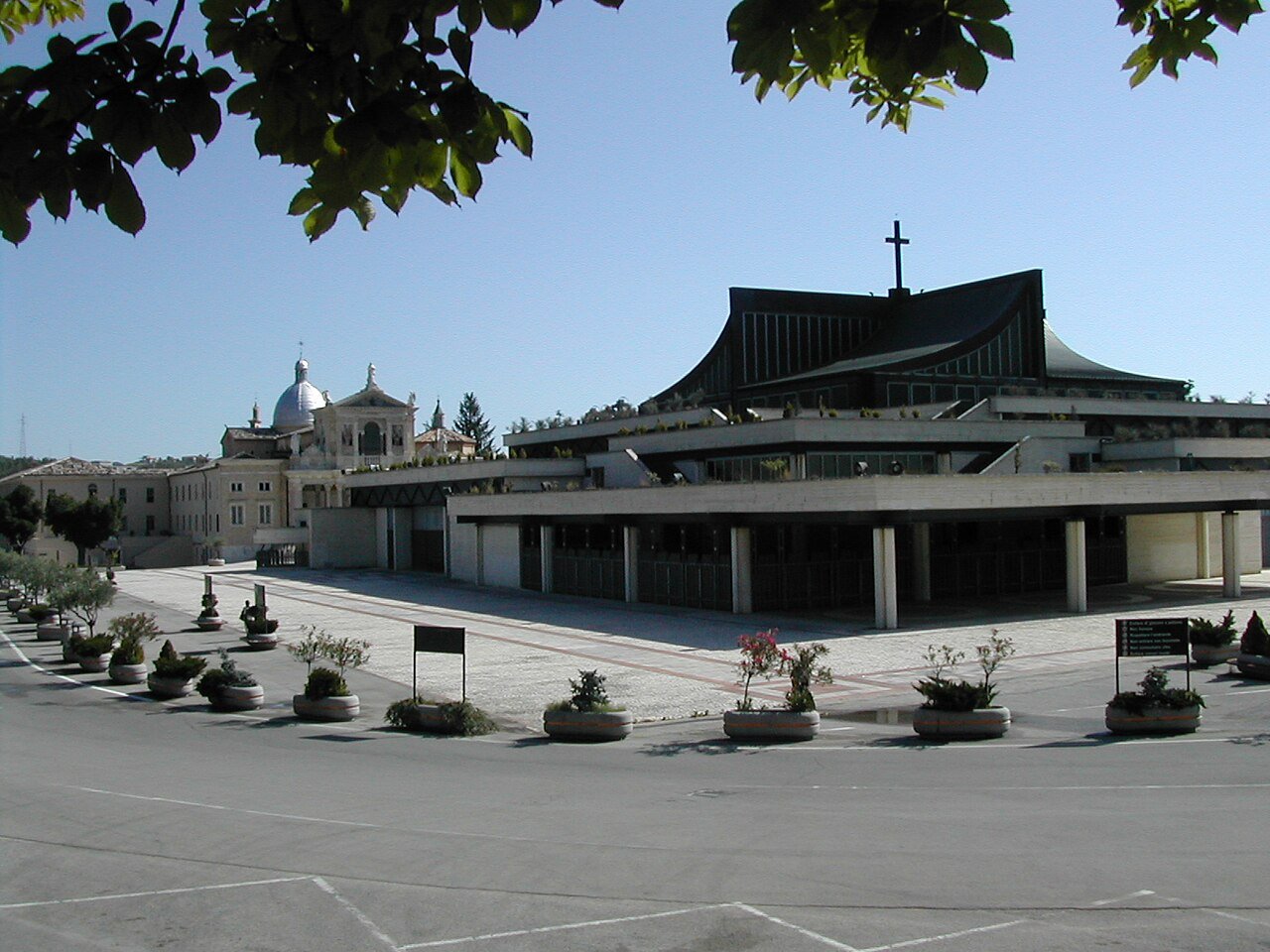
At the foot of the north face of the Gran Sasso, this is the most visited sanctuary in Abruzzo. It grew from a friary that tradition dates back to St Francis of Assisi (around 1215); since 1847 it has belonged to the Passionists, and here in 1862 the young Gabriel of Our Lady of Sorrows died, now patron saint of Abruzzo and of young people. The complex includes the friary, the old church and the large new sanctuary in concrete, glass and steel (1970), holding up to 5–6,000 people; there is also a museum of contemporary sacred art.
Information: 0861 97721, www.sangabriele.org. The town and its surroundings are described on the Teramo hills villages page; from here the road climbs to Pietracamela and Prati di Tivo.
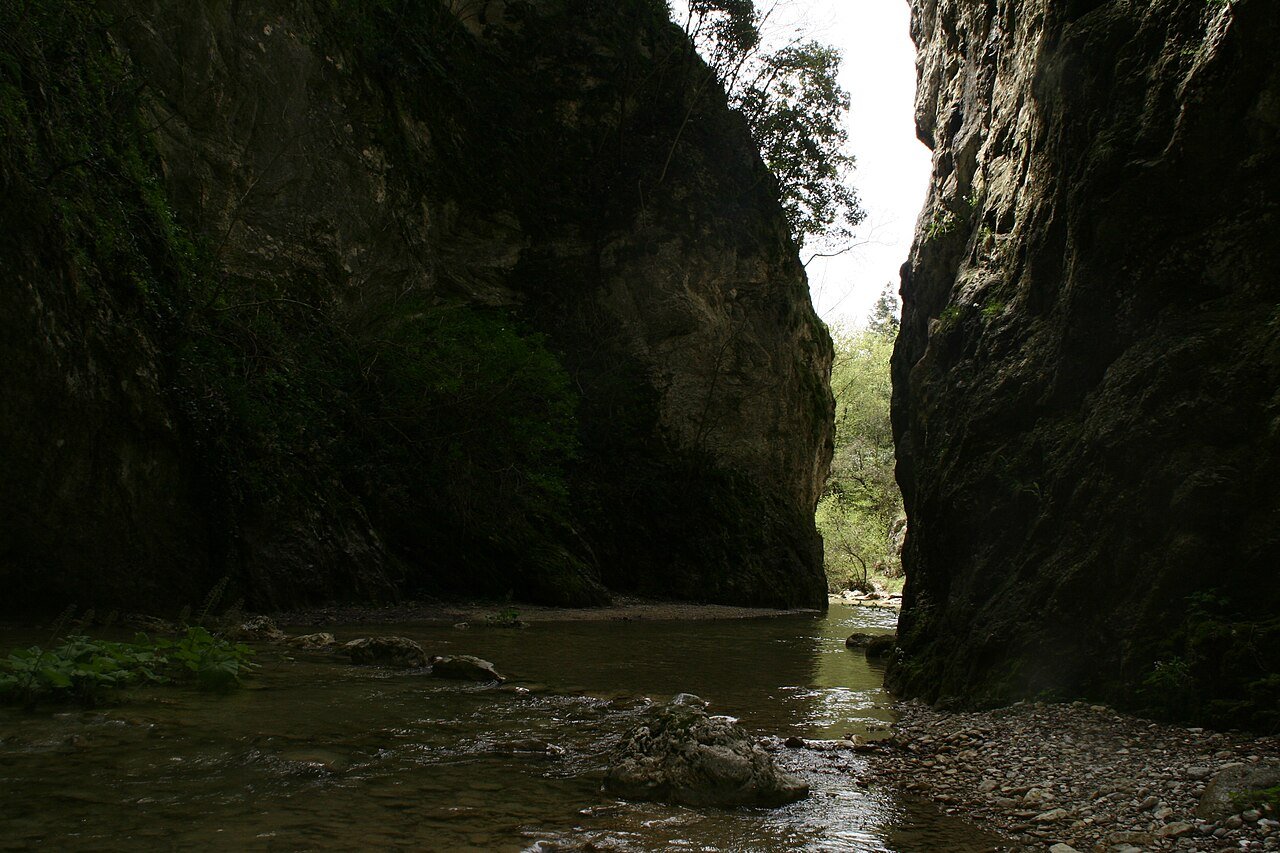
The Tirino is one of the clearest rivers in Italy: its water, which flows underground from Campo Imperatore, stays at about 11 °C all year round. Guided canoe and kayak trips usually start near Capestrano and Bussi sul Tirino, among reeds and willows, and are suitable for families too. Go with licensed operators; swimming is banned by local by-laws on some stretches.
In the Gran Sasso and Monti della Laga National Park, the Salinello Gorge near Civitella del Tronto is the best-known canyoning route: narrow ravines, waterfalls and pools between walls about 200 metres high. The best season is spring, when there is more water. Only with professional guides and full equipment.
Kayaking and SUP are popular in summer on mountain lakes such as Lake Scanno, Lake Barrea and Lake Campotosto, and along the coast: on the Costa dei Trabocchi the coves and trabocchi look great from the water too. Before going out, check wind and waves in the Abruzzo weather.
The spa of Popoli Terme, in contrada Decontra, is a rehabilitation spa using the local sulphurous waters and muds; the building dates from the early 20th century. Treatments require an admission medical check, by appointment: 085 987781. Close by is the Pescara Springs nature reserve, with the small lake of Capo Pescara.
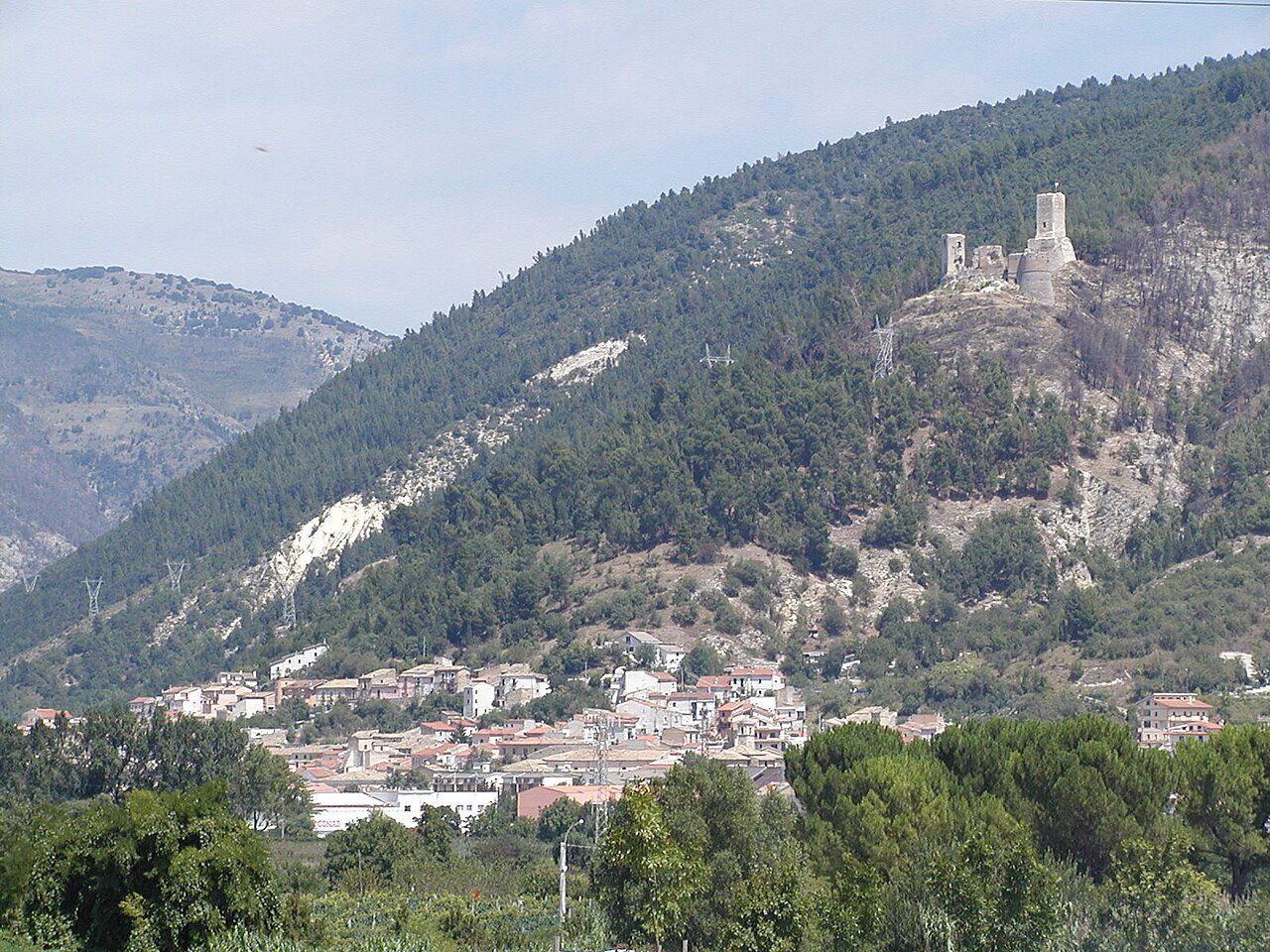
The sulphur waters of Caramanico Terme were known as early as the 16th century and the spa opened in 1901. The spa has been closed since 2021, after the managing company went bankrupt: in November 2026 the sale and the water concession are still in progress, with no reopening date. The village is still worth a visit for the Orfento valley and the Majella trails.
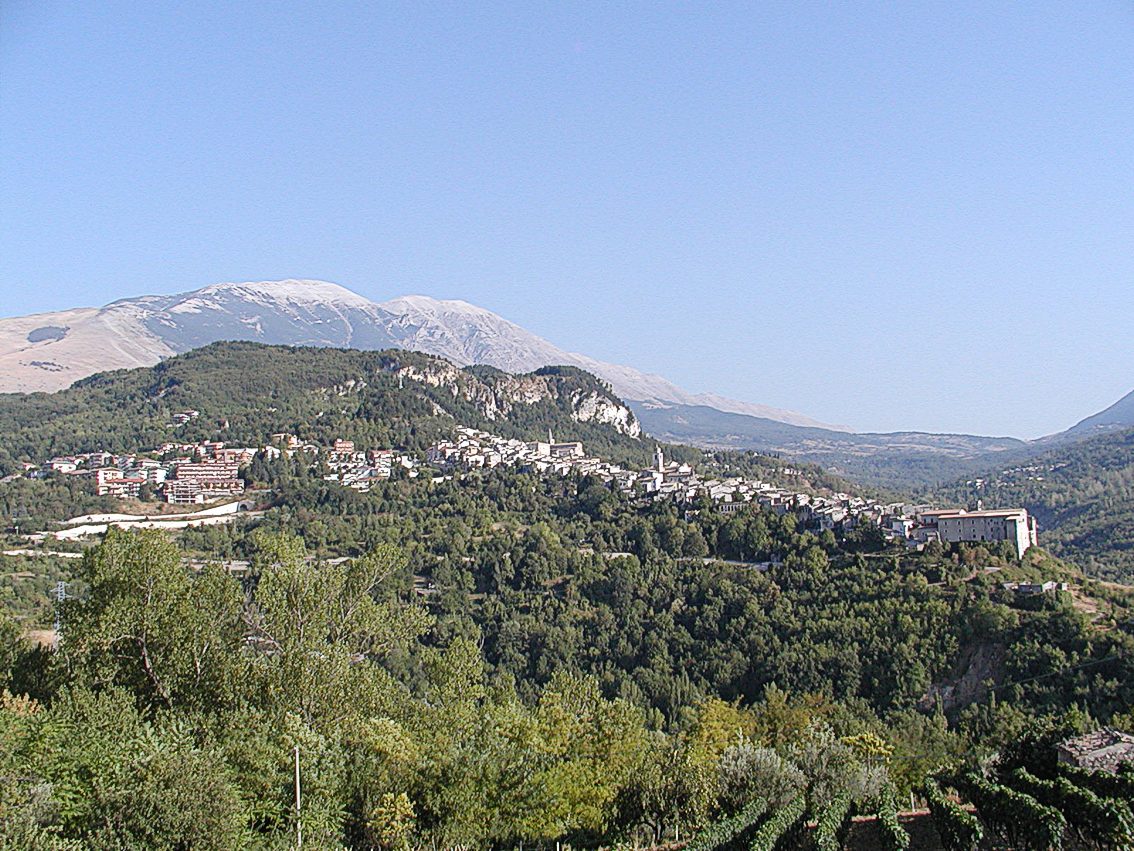
For a few quiet days, look for farm stays and B&Bs in our where to eat and stay search.
Tornareccio 630 m · Sangro hills
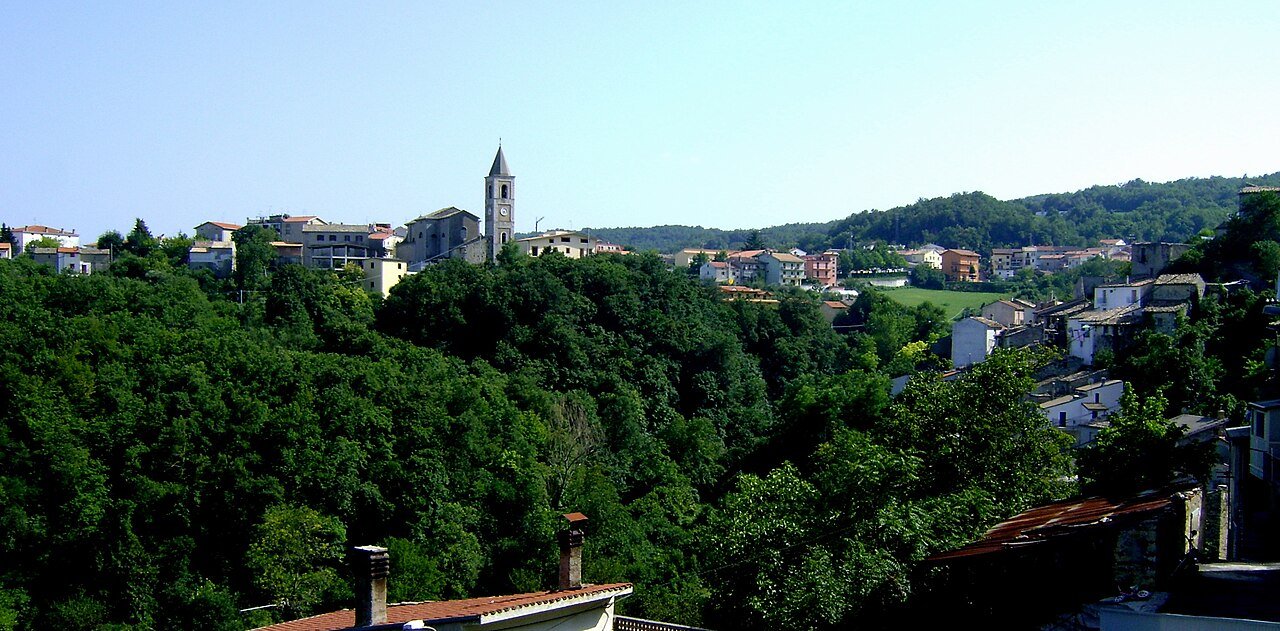
Tornareccio is one of the main honey-producing centres in Abruzzo and belongs to the national association of Honey Towns (Città del Miele). Beekeeping began here in the 1930s and after the war became the village’s main livelihood. Every September the old town hosts «Tornareccio Regina di Miele», with tastings and awards for the honeys of Abruzzo.
Since 2006, with the project «Un mosaico per Tornareccio», every summer an artist creates a mosaic for the village walls: there are now almost a hundred, and the village is an open-air museum. In August the competing artists’ sketches are on display.
Nearby: Lake Bomba and the villages of the Sangro and Aventino. More local products on the Abruzzo cuisine page and in the flavours of the parks.
The beaches of the Teramo and Pescara coast, from Giulianova to Pineto with the Torre del Cerrano and Silvi, are described resort by resort, with beach clubs, restaurants and hotels, on the Abruzzo coast page. To choose when to go, see the coastal climate.
Opening days and times change during the year: phone before you go.
Castiglione a Casauria, at 350 m, is best visited all year round for the historic centre and in spring and autumn for the mild weather.
Manoppello, at 217 m, is best visited all year round for the historic centre and in spring and autumn for the mild weather.
Ocre, at 850 m, is best visited in spring and autumn for the mild weather, from June to September for hiking and trails and in autumn for the colours of the woods.
Capestrano, at 465 m, is best visited from June to September for hiking and trails, in spring and autumn for the mild weather and all year round for the historic centre.
Isola del Gran Sasso d’Italia, at 407 m, is best visited all year round for the historic centre, from June to September for hiking and trails and in autumn for the colours of the woods.
Tornareccio, at 630 m, is best visited all year round for the historic centre and in spring and autumn for the mild weather.
According to the 2026 service charter of the Abruzzo Regional Museums Directorate it is open all year from Tuesday to Sunday, closed on Mondays, 25 December and 1 January; admission is charged. Times change with the seasons: phone +39 085 8885162 before you go. San Pietro ad Oratorium in Capestrano can only be visited by appointment (+39 0871 63137).
No: the Caramanico spa has been closed since 2021, after the managing company went bankrupt, and in November 2026 there is no reopening date. Nearby, the Popoli Terme spa is open (+39 085 987781), a rehabilitation spa with sulphurous waters and muds.

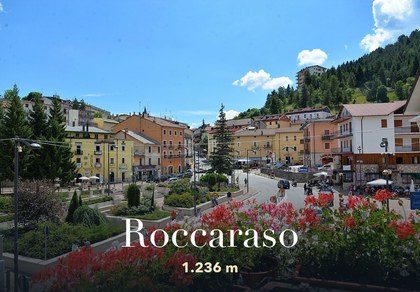
Rocca di Mezzo, Rocca di Cambio, Rovere, Terranera, Ovindoli

The Medieval Villages of the Gran Sasso, with their castles, towers, and ancient settlements that once dominated Abruzzo

The village of Cappadocia, in the western part of the Aquilan Abruzzo

The village of Casamaina, a favourite among skiers heading to Campo Felice or Ovindoli

The village of Castel del Monte, the highest settlement in the Gran Sasso area

The village of Civitella Alfedena, in the Abruzzo, Lazio and Molise National Park

Mountaineering on the Gran Sasso, the ideal place for freeride lovers seeking demanding routes

The city of L'Aquila, with its restored Renaissance palaces, a place rich in culture

The 2012 snowfall in L'Aquila brought over one metre of snow in 24 hours — unbelievable images

The village of Pescasseroli, heart of the Abruzzo, Lazio and Molise National Park

The village of Pietracamela, on the north-eastern side of the Gran Sasso, at the foot of Corno Piccolo — a magical and unexpected place

Prati di Tivo, a winter ski resort offering breathtaking views to all who visit

San Domenico and the Serpari ritual, held every first Thursday of May

The 2012 snowfall in Scoppito reached nearly two metres in height

The village of Opi, a splendid settlement in the Abruzzo, Lazio and Molise National Park







Punta Aderci, with the Abruzzese trabocchi stretching from Vasto through Fossacesia to San Vito Chietino


Lake Campotosto, nestled between the Gran Sasso and Monti della Laga ranges, within the national park of the same name

The Capodacqua reservoir, with submerged mills and crystal-clear waters, a paradise for divers

The swimming lake of Scanno, named after the village overlooking it — a place worth visiting

Lake Sinizzo, just a few kilometres from San Demetrio, is the ideal place for nature lovers seeking fresh, clear waters

Lake San Domenico, named after the nearby hermitage; its crystal-clear waters make it unique. Swimming not allowed

The Fountain of the 99 Spouts, a symbol of the city of L'Aquila

The Basilica of Santa Maria di Collemaggio, resting place of Pope Celestine V

The Sanctuary of Madonna d'Appari, set among the rocks along the road between Paganica and Assergi

The Church of San Panfilo, in the municipality of Tornimparte, with its frescoes — a place worth visiting

The Stiffe Caves, inside the Velino-Sirente Regional Park — a magical place to explore
The most popular ski resorts, the updated snow report and useful information on how to find lifts or book accommodation for your winter holiday
Vai
View the webcams in Abruzzo and check real‑time weather conditions. Some webcams belong to www.abruzzoparchi.it, others are located throughout the region
Vai
Weather forecasts for the coming days in Abruzzo. Live weather via our webcams and temperatures recorded in several mountain areas
Vai
Maps for trekking, mountain biking, ski touring, running and horse riding. You can also download the GPX track of each route
Vai
Walks, diving, climbing, mountain biking, horse riding — all outdoor activities available in Abruzzo
Vai
Choose between sea or mountains, summer or winter, a sporty holiday or a relaxing one — Abruzzo has it all
Vai
Abruzzo is famous for its cuisine, both mountain and coastal, with traditions that vary from area to area
Vai
Abruzzo’s villages are famous for their fortresses, mountains and the traditional trabocchi along the southern coast
Vai
One of Italy’s most famous and oldest national parks
Vai
One of Italy’s wildest parks, with typical Apennine landscapes and Dolomite‑like peaks
Vai
Located in the heart of the Apennines, home to the beautiful villages of the Rocche Plateau
Vai
One of the snowiest places in Italy, a unique mountain massif rising close to the sea
Vai