
Skiing in Abruzzo – snow report
The most popular ski resorts, the updated snow report and useful information on how to find lifts or book accommodation for your winter holiday


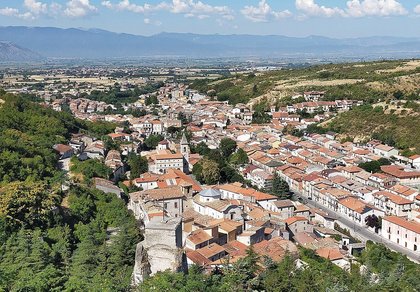
Celano lies at 840 metres on the slopes of Monte Tino, overlooking the Fucino plain. The Piccolomini castle towers over the old town; behind it open the Celano Gorge and the road to Ovindoli and the Altopiano delle Rocche.
The most popular ski resorts, the updated snow report and useful information on how to find lifts or book accommodation for your winter holiday
View the webcams in Abruzzo and check real‑time weather conditions. Some webcams belong to www.abruzzoparchi.it, others are located throughout the region

Weather forecasts for the coming days in Abruzzo. Live weather via our webcams and temperatures recorded in several mountain areas
Maps for trekking, mountain biking, ski touring, running and horse riding. You can also download the GPX track of each route
Abruzzo’s villages are famous for their fortresses, mountains and the traditional trabocchi along the southern coast
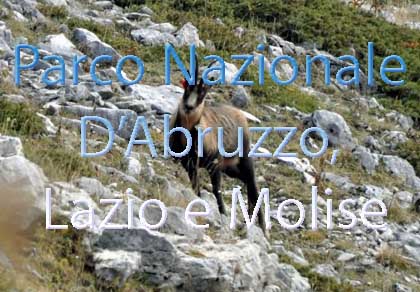
One of Italy’s most famous and oldest national parks
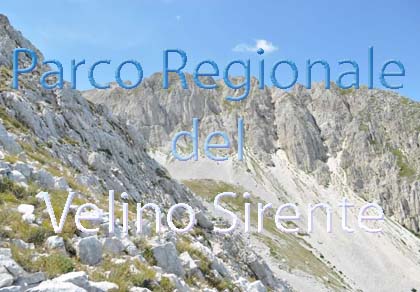
Located in the heart of the Apennines, home to the beautiful villages of the Rocche Plateau
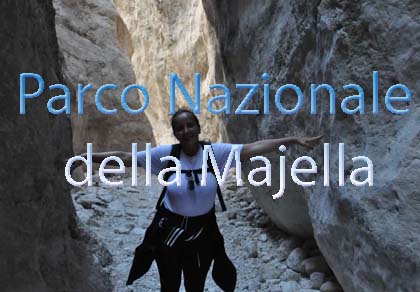
One of the snowiest places in Italy, a unique mountain massif rising close to the sea

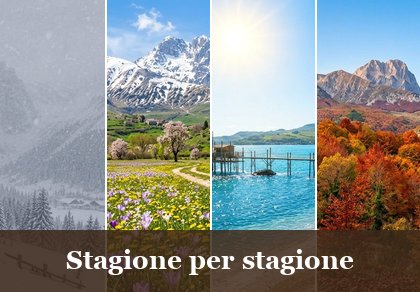
Choose between sea or mountains, summer or winter, a sporty holiday or a relaxing one — Abruzzo has it all

Abruzzo is famous for its cuisine, both mountain and coastal, with traditions that vary from area to area
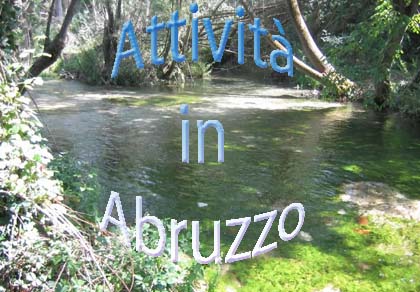
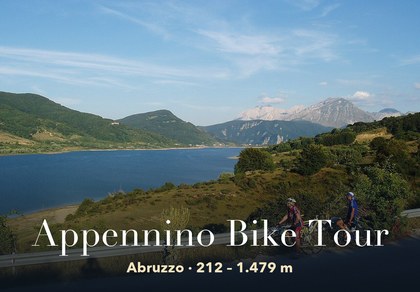
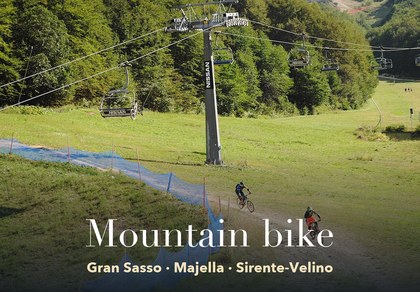
Walks, diving, climbing, mountain biking, horse riding — all outdoor activities available in Abruzzo
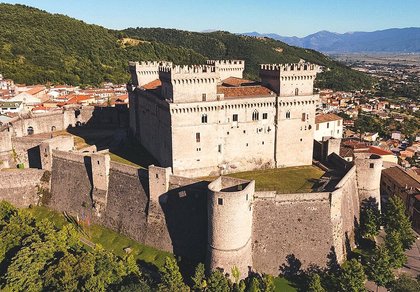
A town of ten thousand people with a 14th-century castle on top of the hill, medieval and Renaissance churches, two important museums and, close by, one of the most spectacular gorges in the Apennines. The Ovindoli slopes are a quarter of an hour away.
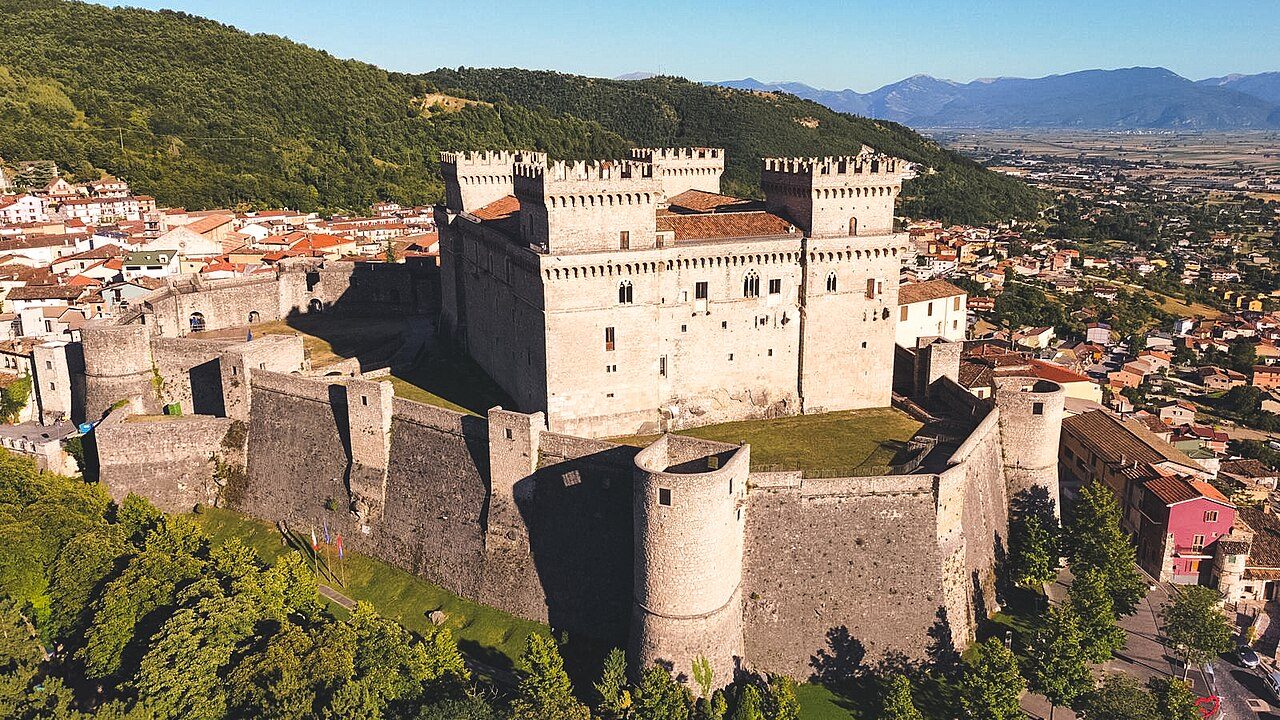
The town looks over the reclaimed plain; above it rise the Sirente-Velino mountains.
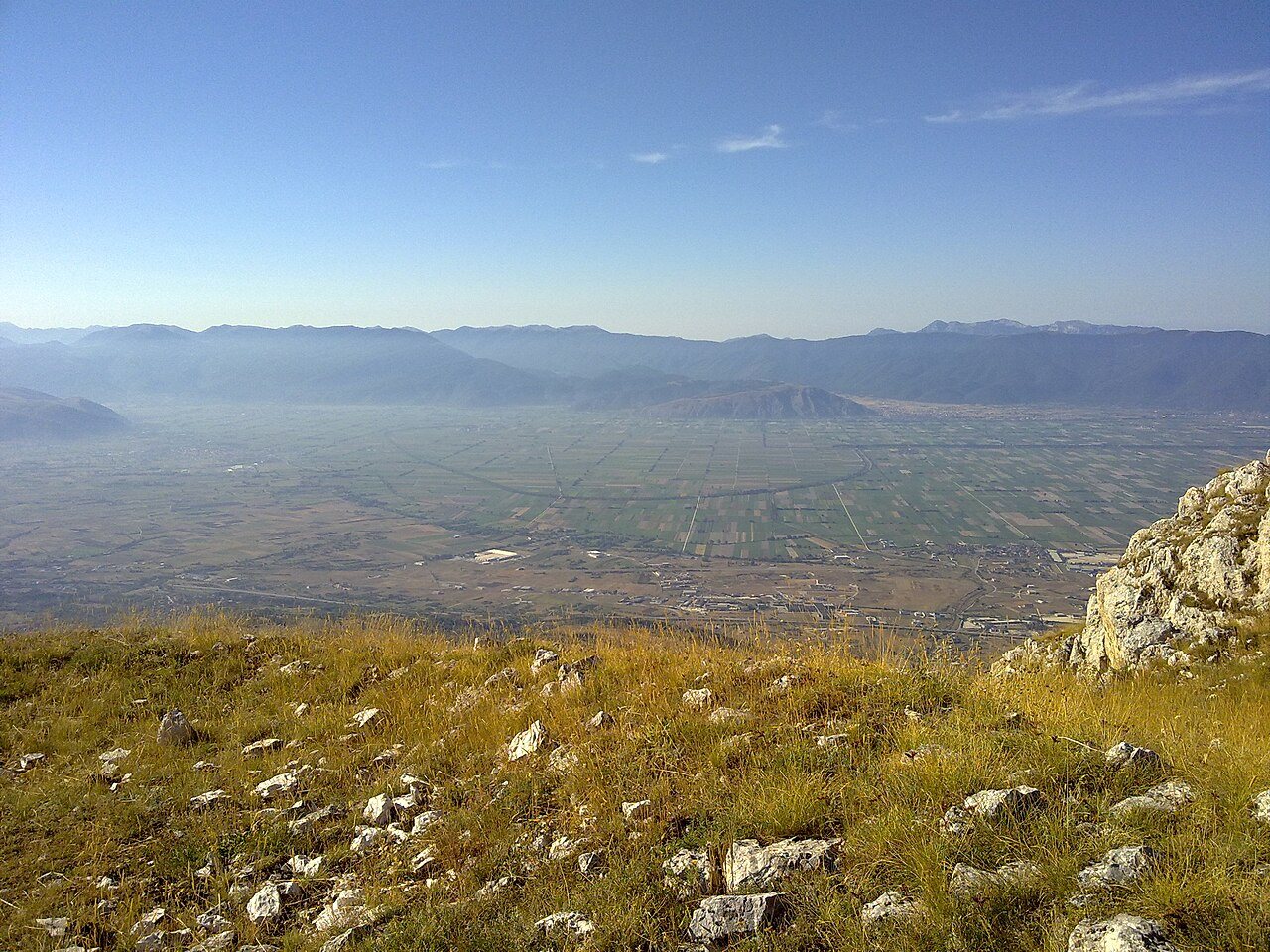
Celano stands high above the Fucino plain, on the slopes of Monte Tino, also called Serra di Celano (1,923 m). Part of the municipality lies in the Sirente-Velino Regional Park. Until the 19th century Lake Fucino, the third largest in Italy, lay below the town: Alessandro Torlonia drained it between 1855 and 1878, and today the plain is one of Italy’s largest vegetable gardens.
The municipality also includes the villages of the plain, such as Borgo Ottomila and Borgo Strada 14. The SS696 road climbs from Celano to Ovindoli and the Altopiano delle Rocche.
The castle on top of the hill is the symbol of the town: Count Pietro Berardi began it at the end of the 14th century, and Count Lionello Accrocciamuro and Countess Jacovella completed it in the 15th; in 1463 the county passed to Antonio Todeschini Piccolomini, nephew of Pope Pius II, who gave it its name. Inside are the Museum of Sacred Art of the Marsica, with frescoes, paintings and sacred objects from the 6th to the 18th century, and the Torlonia Collection of antiquities, with the finds unearthed after the draining of the Fucino. Phone 0863 793730; opening hours change with the seasons, call first.
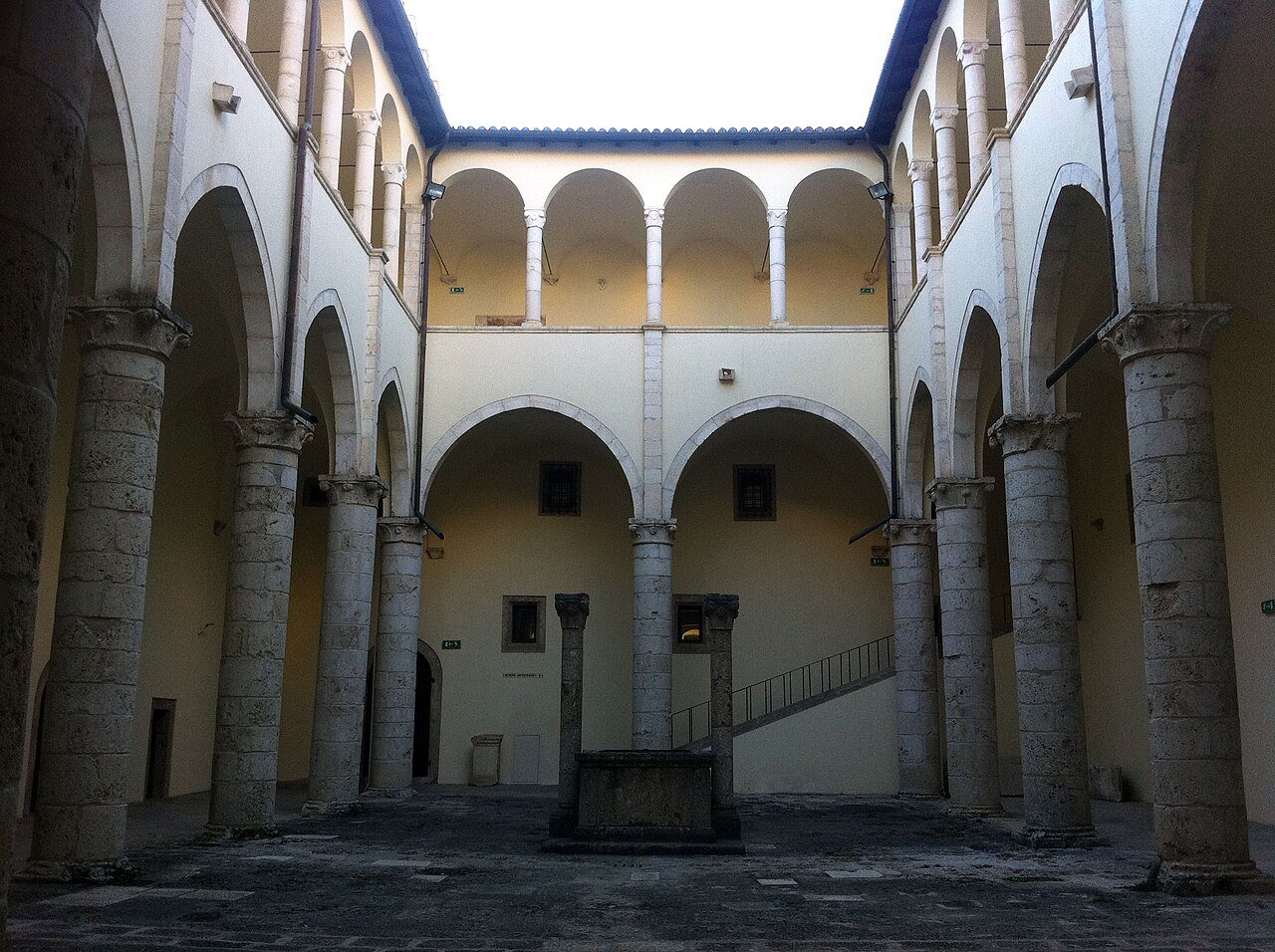
On the plain, where a Bronze Age pile-dwelling village once stood, the museum displays the prehistoric and protohistoric finds of the Marsica and a multimedia section on how the landscape changed after the reclamation.
The 13th-century church of San Giovanni Battista holds the remains of the martyr saints Simplicio, Costanzo and Vittoriano and 15th-century frescoes. Santa Maria Valleverde, from 1508, is the Franciscan convent founded by the counts of Celano: inside are paintings by Paolo Zoppo, the frescoed crypt and, upstairs, a museum and a library. In the old town, below the castle, there are also San Francesco, Sant’Angelo and the Madonna del Carmine.
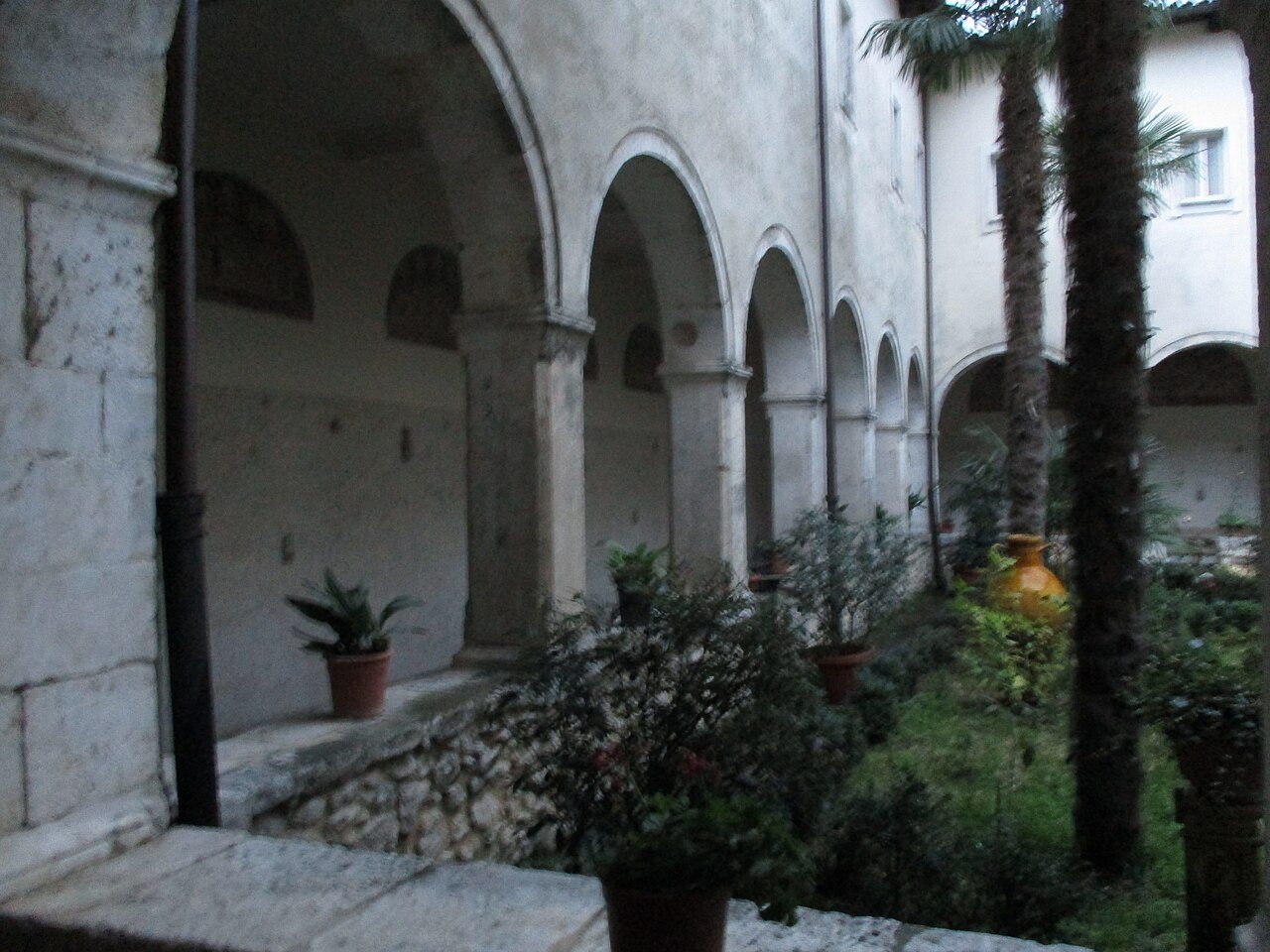
Brother Thomas, the first biographer of Saint Francis of Assisi, came from Celano; Francis passed through here between 1219 and 1222. The town has a monument to him.
The La Foce stream has carved a four-kilometre ravine between the Sirente and Monte Tino.

The Celano Gorge runs down from the Val d’Arano, above Ovindoli, to the plain: rock walls about 200 metres high, narrows of three metres and, near the end, the small waterfall of the «Fonte degli innamorati» (Lovers’ Spring). In summer the bed is dry; after rain and snowmelt the stream swells and the gorge becomes dangerous. Routes, times and tips on our page Hiking the Celano Gorge.
From the town also start the trails of Monte Tino, along the ridge to the Val d’Arano, and the «Sentiero del Grifone», which links Scurcola Marsicana to Celano through Magliano de’ Marsi, Massa d’Albe and Ovindoli. For the Sirente: north-eastern face of Monte Sirente and the park’s hiking guide.
Celano has no lifts of its own, but the SS696 takes you in about 12 km (a quarter of an hour) to the Ovindoli Monte Magnola ski area, with slopes from about 1,500 to 2,000 metres. Continuing towards Rocca di Mezzo you reach Campo Felice. Snow and lifts open today in the snow report.

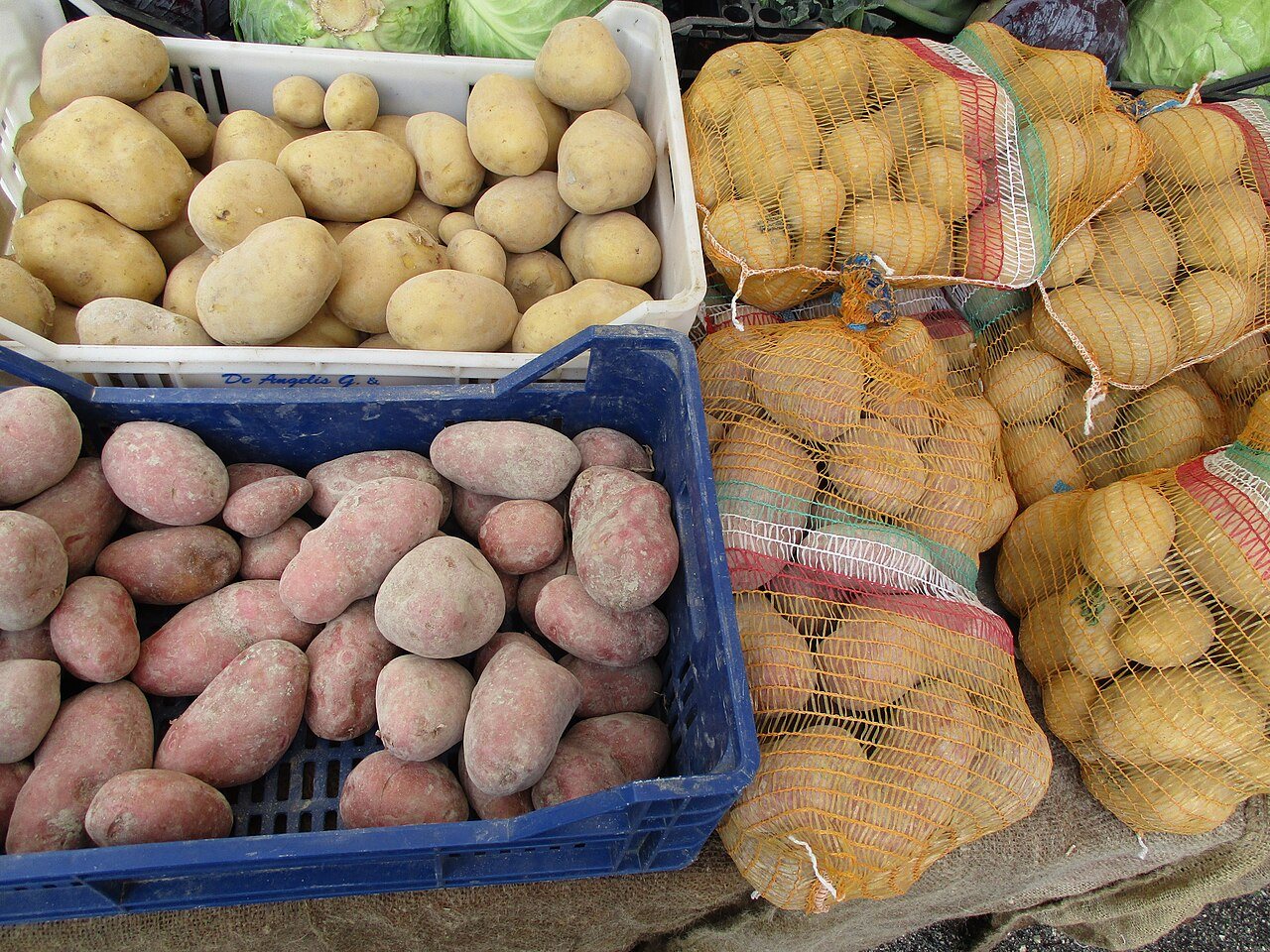
Before the reclamation people ate fish from the lake; today the plain gives the Fucino potato and carrot (PGI). Home-style dishes include «tacquelòzze», diamond-shaped pasta with mutton sauce, lasagna with tiny meatballs and gnocchi; in the mountains potatoes and saffron are grown. More park products in Flavours of the parks, all the recipes in Abruzzo’s traditional cuisine.
Restaurants, pizzerias, hotels, B&Bs, holiday homes, museums and supermarkets: open the list. For each one address, phone, map and, where available, website and Tripadvisor.
🔎 Search all of Abruzzo · Data checked on Google Maps, Tripadvisor and the businesses’ websites.
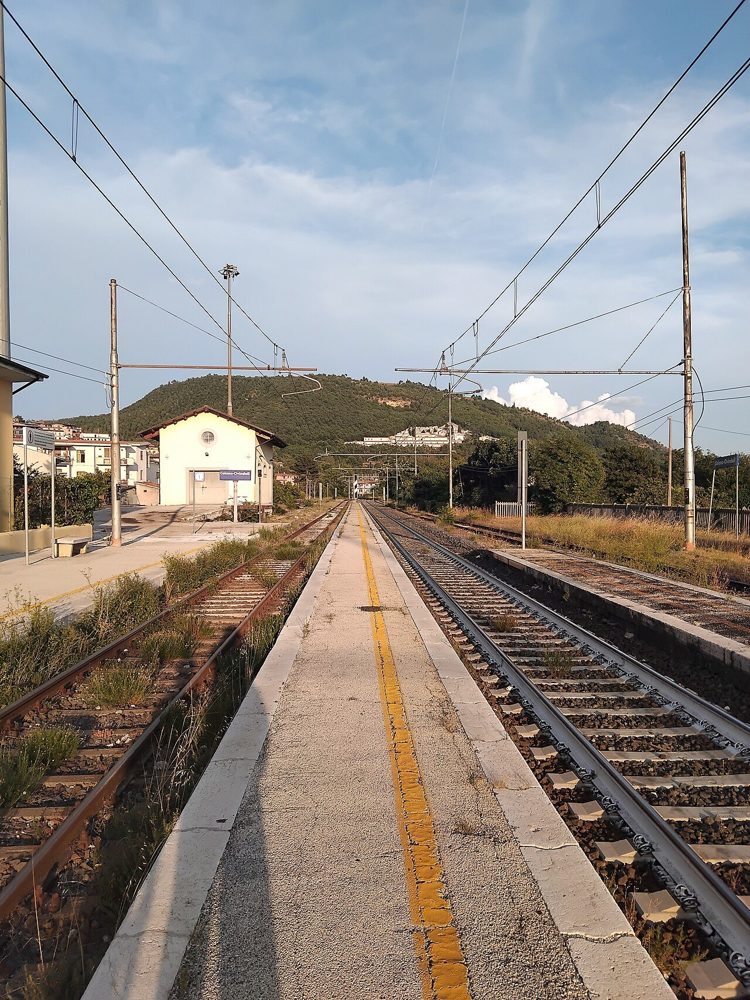
By car: A25 motorway Rome – Pescara, Celano exit; Rome is about 120 km away. From the town the SS696 climbs to Ovindoli and the Altopiano delle Rocche. By train: Celano-Ovindoli station is on the Rome – Avezzano – Pescara railway. Avezzano is about 13 km away, Pescina 17. Getting around Abruzzo.

Rocca di Mezzo, Rocca di Cambio, Rovere, Terranera, Ovindoli

The Medieval Villages of the Gran Sasso, with their castles, towers, and ancient settlements that once dominated Abruzzo

The village of Cappadocia, in the western part of the Aquilan Abruzzo

The village of Casamaina, a favourite among skiers heading to Campo Felice or Ovindoli

The village of Castel del Monte, the highest settlement in the Gran Sasso area

The village of Civitella Alfedena, in the Abruzzo, Lazio and Molise National Park

Mountaineering on the Gran Sasso, the ideal place for freeride lovers seeking demanding routes

The city of L'Aquila, with its restored Renaissance palaces, a place rich in culture

The 2012 snowfall in L'Aquila brought over one metre of snow in 24 hours — unbelievable images

The village of Pescasseroli, heart of the Abruzzo, Lazio and Molise National Park

The village of Pietracamela, on the north-eastern side of the Gran Sasso, at the foot of Corno Piccolo — a magical and unexpected place

Prati di Tivo, a winter ski resort offering breathtaking views to all who visit

San Domenico and the Serpari ritual, held every first Thursday of May

The 2012 snowfall in Scoppito reached nearly two metres in height

The village of Opi, a splendid settlement in the Abruzzo, Lazio and Molise National Park




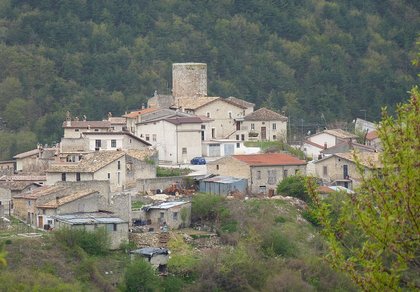
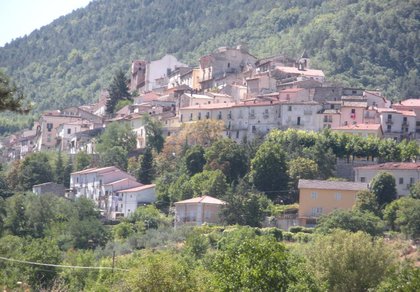


Punta Aderci, with the Abruzzese trabocchi stretching from Vasto through Fossacesia to San Vito Chietino


Lake Campotosto, nestled between the Gran Sasso and Monti della Laga ranges, within the national park of the same name

The Capodacqua reservoir, with submerged mills and crystal-clear waters, a paradise for divers

The swimming lake of Scanno, named after the village overlooking it — a place worth visiting

Lake Sinizzo, just a few kilometres from San Demetrio, is the ideal place for nature lovers seeking fresh, clear waters

Lake San Domenico, named after the nearby hermitage; its crystal-clear waters make it unique. Swimming not allowed

The Fountain of the 99 Spouts, a symbol of the city of L'Aquila

The Basilica of Santa Maria di Collemaggio, resting place of Pope Celestine V

The Sanctuary of Madonna d'Appari, set among the rocks along the road between Paganica and Assergi

The Church of San Panfilo, in the municipality of Tornimparte, with its frescoes — a place worth visiting

The Stiffe Caves, inside the Velino-Sirente Regional Park — a magical place to explore
The most popular ski resorts, the updated snow report and useful information on how to find lifts or book accommodation for your winter holiday
Vai
View the webcams in Abruzzo and check real‑time weather conditions. Some webcams belong to www.abruzzoparchi.it, others are located throughout the region
Vai
Weather forecasts for the coming days in Abruzzo. Live weather via our webcams and temperatures recorded in several mountain areas
Vai
Maps for trekking, mountain biking, ski touring, running and horse riding. You can also download the GPX track of each route
Vai
Walks, diving, climbing, mountain biking, horse riding — all outdoor activities available in Abruzzo
Vai
Choose between sea or mountains, summer or winter, a sporty holiday or a relaxing one — Abruzzo has it all
Vai
Abruzzo is famous for its cuisine, both mountain and coastal, with traditions that vary from area to area
Vai
Abruzzo’s villages are famous for their fortresses, mountains and the traditional trabocchi along the southern coast
Vai
One of Italy’s most famous and oldest national parks
Vai
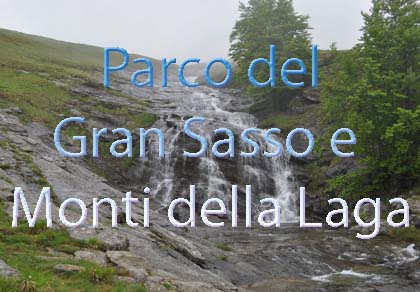
One of Italy’s wildest parks, with typical Apennine landscapes and Dolomite‑like peaks
Vai
Located in the heart of the Apennines, home to the beautiful villages of the Rocche Plateau
Vai
One of the snowiest places in Italy, a unique mountain massif rising close to the sea
Vai