
Skiing in Abruzzo – snow report
The most popular ski resorts, the updated snow report and useful information on how to find lifts or book accommodation for your winter holiday


From the ceramics of Castelli, at the foot of Monte Camicia, to Atri cathedral looking out to sea: hills of olive groves and Montepulciano vineyards, fortresses, shrines and festivals famous all over Abruzzo.
The most popular ski resorts, the updated snow report and useful information on how to find lifts or book accommodation for your winter holiday
View the webcams in Abruzzo and check real‑time weather conditions. Some webcams belong to www.abruzzoparchi.it, others are located throughout the region

Weather forecasts for the coming days in Abruzzo. Live weather via our webcams and temperatures recorded in several mountain areas
Maps for trekking, mountain biking, ski touring, running and horse riding. You can also download the GPX track of each route
Abruzzo’s villages are famous for their fortresses, mountains and the traditional trabocchi along the southern coast
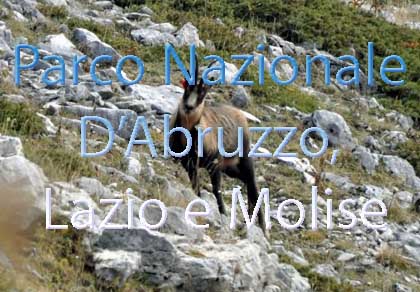
One of Italy’s most famous and oldest national parks
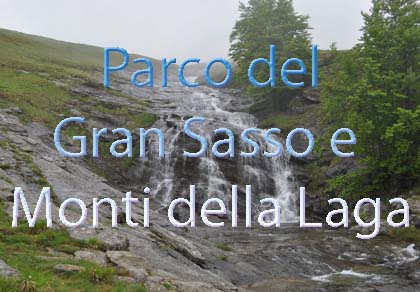
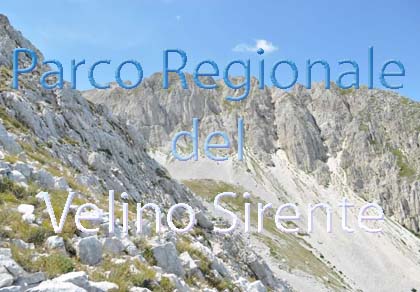
Located in the heart of the Apennines, home to the beautiful villages of the Rocche Plateau
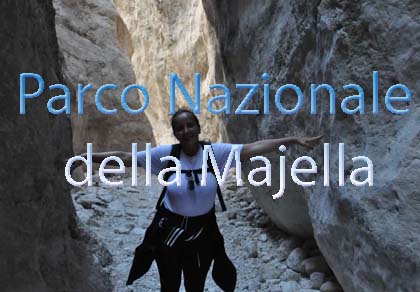
One of the snowiest places in Italy, a unique mountain massif rising close to the sea
Choose between sea or mountains, summer or winter, a sporty holiday or a relaxing one — Abruzzo has it all

Abruzzo is famous for its cuisine, both mountain and coastal, with traditions that vary from area to area
Walks, diving, climbing, mountain biking, horse riding — all outdoor activities available in Abruzzo

Rocca di Mezzo, Rocca di Cambio, Rovere, Terranera, Ovindoli

The Medieval Villages of the Gran Sasso, with their castles, towers, and ancient settlements that once dominated Abruzzo

The village of Cappadocia, in the western part of the Aquilan Abruzzo

The village of Casamaina, a favourite among skiers heading to Campo Felice or Ovindoli

The village of Castel del Monte, the highest settlement in the Gran Sasso area

The village of Civitella Alfedena, in the Abruzzo, Lazio and Molise National Park

Mountaineering on the Gran Sasso, the ideal place for freeride lovers seeking demanding routes

The city of L'Aquila, with its restored Renaissance palaces, a place rich in culture

The 2012 snowfall in L'Aquila brought over one metre of snow in 24 hours — unbelievable images

The village of Pescasseroli, heart of the Abruzzo, Lazio and Molise National Park

The village of Pietracamela, on the north-eastern side of the Gran Sasso, at the foot of Corno Piccolo — a magical and unexpected place

Prati di Tivo, a winter ski resort offering breathtaking views to all who visit

San Domenico and the Serpari ritual, held every first Thursday of May

The 2012 snowfall in Scoppito reached nearly two metres in height

The village of Opi, a splendid settlement in the Abruzzo, Lazio and Molise National Park





Punta Aderci, with the Abruzzese trabocchi stretching from Vasto through Fossacesia to San Vito Chietino


Lake Campotosto, nestled between the Gran Sasso and Monti della Laga ranges, within the national park of the same name

The Capodacqua reservoir, with submerged mills and crystal-clear waters, a paradise for divers

The swimming lake of Scanno, named after the village overlooking it — a place worth visiting

Lake Sinizzo, just a few kilometres from San Demetrio, is the ideal place for nature lovers seeking fresh, clear waters

Lake San Domenico, named after the nearby hermitage; its crystal-clear waters make it unique. Swimming not allowed

The Fountain of the 99 Spouts, a symbol of the city of L'Aquila

The Basilica of Santa Maria di Collemaggio, resting place of Pope Celestine V, the only pope buried outside Rome’s walls

The Sanctuary of Madonna d'Appari, set among the rocks along the road between Paganica and Assergi

The Church of San Panfilo, in the municipality of Tornimparte, with its frescoes — a place worth visiting

The Stiffe Caves, inside the Velino-Sirente Regional Park — a magical place to explore
From the ceramics of Castelli, at the foot of Monte Camicia, to Atri cathedral looking out to sea: hills of olive groves and Montepulciano vineyards, fortresses, shrines and festivals famous all over Abruzzo.
Once the capital of the Acquaviva duchy, Atri is an art town looking out over the Adriatic. The cathedral, a national monument, has a 57-metre bell tower and a fresco cycle by Andrea De Litio; beneath the old town lie a Roman theatre and ancient cisterns, and all around are the badlands of the WWF reserve.
The ceramics village beneath the face of Monte Camicia, in the Gran Sasso Park, one of the Most Beautiful Villages in Italy. Its workshops have made majolica since the Renaissance; the Ceramics Museum is in the old Franciscan convent and the little church of San Donato has a ceiling made entirely of painted tiles.
The village sits between the Mavone and Ruzzo streams, facing the north face of the Gran Sasso. Just outside the centre is the Shrine of San Gabriele dell’Addolorata, patron saint of young people and of Abruzzo, visited by huge numbers of pilgrims every year.
A small stone village in the Valle Siciliana at the foot of the Gran Sasso. The Palazzo Marchesale houses the Museum of the People of the Gran Sasso, with the tools of farming life; the church of Sant’Antonio Abate has a fine 15th-century doorway.
A small town on the banks of the Vomano, gateway to the road up to Prati di Tivo and Lake Campotosto. Just outside the centre you can see the Italic base of the Temple of Hercules; in town are the churches of San Rocco and San Filippo Neri.
A Farnese town full of churches, famous for its Holy Stairs of 1776: 28 olive-wood steps climbed on one’s knees, a rarity in the world. The former Franciscan convent houses the National Archaeological Museum, with grave goods from the Campovalano necropolis.
A fortified village on the border with the Marche, dominated by one of the most imposing fortresses in Italy, built for Philip II of Spain: it was the last Bourbon stronghold and surrendered in 1861. From the centre climbs the Ruetta, a lane just wide enough for one person.
A small village in the hills between Teramo and the sea, known all over Abruzzo for turkey Canzano-style and for its lace-making. Outside the centre stands the shrine of the Madonna dell’Alno.
Local dishes and products, with the recipes and guides on our site.
The Teramo hills have one of Abruzzo’s richest cuisines: the scrippelle timbale, scrippelle ’mbusse in broth, the May Day ‘virtù’ soup, Campli porchetta and Canzano turkey, with Pretuziano olive oil and Colline Teramane Montepulciano.
The most popular ski resorts, the updated snow report and useful information on how to find lifts or book accommodation for your winter holiday
Vai
View the webcams in Abruzzo and check real‑time weather conditions. Some webcams belong to www.abruzzoparchi.it, others are located throughout the region
Vai
Weather forecasts for the coming days in Abruzzo. Live weather via our webcams and temperatures recorded in several mountain areas
Vai
Maps for trekking, mountain biking, ski touring, running and horse riding. You can also download the GPX track of each route
Vai
Walks, diving, climbing, mountain biking, horse riding — all outdoor activities available in Abruzzo
Vai
Choose between sea or mountains, summer or winter, a sporty holiday or a relaxing one — Abruzzo has it all
Vai
Abruzzo is famous for its cuisine, both mountain and coastal, with traditions that vary from area to area
Vai
Abruzzo’s villages are famous for their fortresses, mountains and the traditional trabocchi along the southern coast
Vai
One of Italy’s most famous and oldest national parks
Vai
One of Italy’s wildest parks, with typical Apennine landscapes and Dolomite‑like peaks
Vai
Located in the heart of the Apennines, home to the beautiful villages of the Rocche Plateau
Vai
One of the snowiest places in Italy, a unique mountain massif rising close to the sea
Vai