
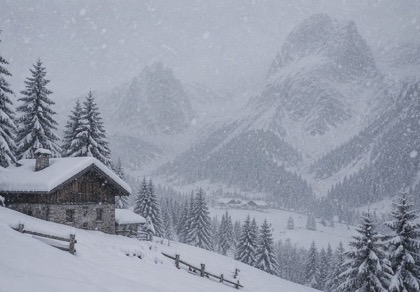
Skiing in Abruzzo – snow report
The most popular ski resorts, the updated snow report and useful information on how to find lifts or book accommodation for your winter holiday


Giulianova has two souls. Down below, the Lido: a long, well-equipped beach, the monumental seafront from the 1930s, Art Nouveau villas and the fishing harbour, the most important in the province of Teramo. Up above, a kilometre from the sea, Giulianova Alta: the «ideal town» that Duke Giulio Antonio Acquaviva had built in 1471, gathered around the dome of the Cathedral of San Flaviano, which once shone with blue majolica and could be seen from the sea.
The most popular ski resorts, the updated snow report and useful information on how to find lifts or book accommodation for your winter holiday

View the webcams in Abruzzo and check real‑time weather conditions. Some webcams belong to www.abruzzoparchi.it, others are located throughout the region

Weather forecasts for the coming days in Abruzzo. Live weather via our webcams and temperatures recorded in several mountain areas
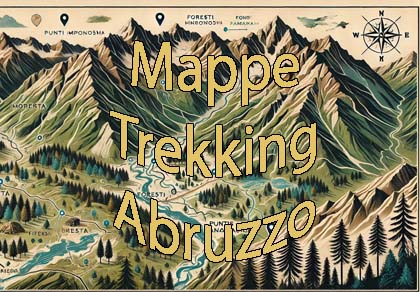
Maps for trekking, mountain biking, ski touring, running and horse riding. You can also download the GPX track of each route
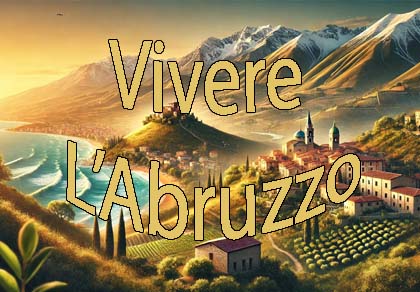
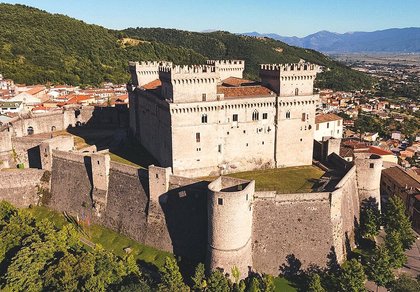
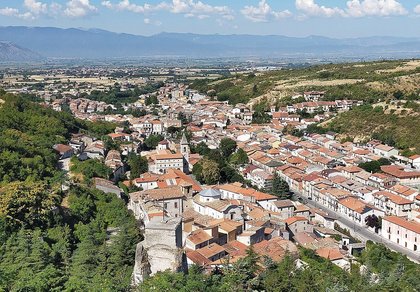
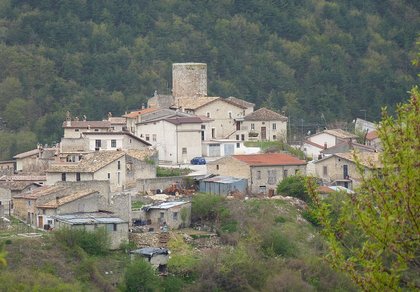
Abruzzo’s villages are famous for their fortresses, mountains and the traditional trabocchi along the southern coast
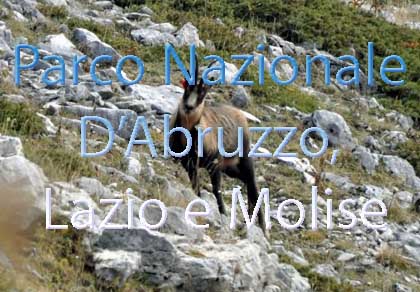
One of Italy’s most famous and oldest national parks
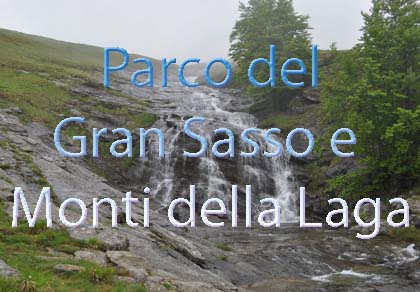
Located in the heart of the Apennines, home to the beautiful villages of the Rocche Plateau
One of the snowiest places in Italy, a unique mountain massif rising close to the sea
Choose between sea or mountains, summer or winter, a sporty holiday or a relaxing one — Abruzzo has it all

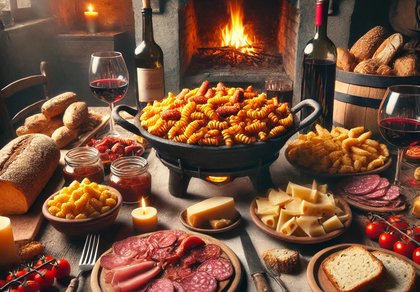
Abruzzo is famous for its cuisine, both mountain and coastal, with traditions that vary from area to area
Walks, diving, climbing, mountain biking, horse riding — all outdoor activities available in Abruzzo
About twenty-three thousand people, a beach between the mouths of the Salinello and the Tordino, a fishing harbour and a Renaissance town on a hill at 68 metres. This is the home of brodetto alla giuliese.
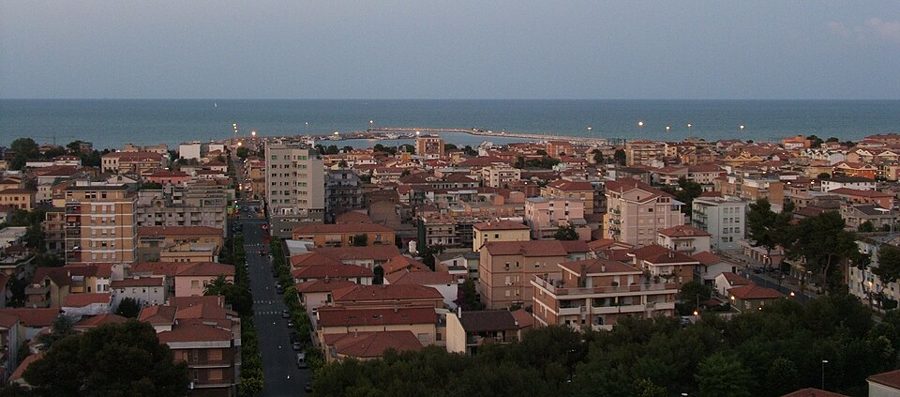
Between the Salinello to the north and the Tordino to the south; it borders Tortoreto, Mosciano Sant’Angelo and Roseto degli Abruzzi.
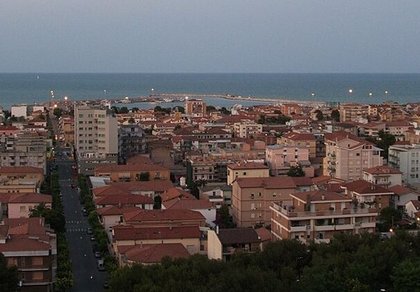
Giulianova covers 28 km² of coast and hills in the province of Teramo. The town is made of two parts that have now grown together: Giulianova Alta, which locals also call «il Paese» (the village), on the hill at 68 metres, with the old town; and Giulianova Lido, which grew up in the 19th century around the station and the beach and is now the largest and liveliest part. Its harbour is one of the four in the region and the only one in the province.
A Roman colony, Castrum Novum, already stood here, founded at the beginning of the 3rd century BC near the mouth of the Tordino; in the Middle Ages the village took the name Castel San Flaviano, after the patriarch of Constantinople whose relics, tradition says, reached this beach after a storm. Destroyed in 1460 during the battle of the Tordino, it was refounded in 1471 by Giulio Antonio Acquaviva, Duke of Atri, on a higher and safer hill: the new town was called «Giulia nova» and was designed as an ideal Renaissance town, with walls, eight towers, the ducal palace and the octagonal church at its centre.
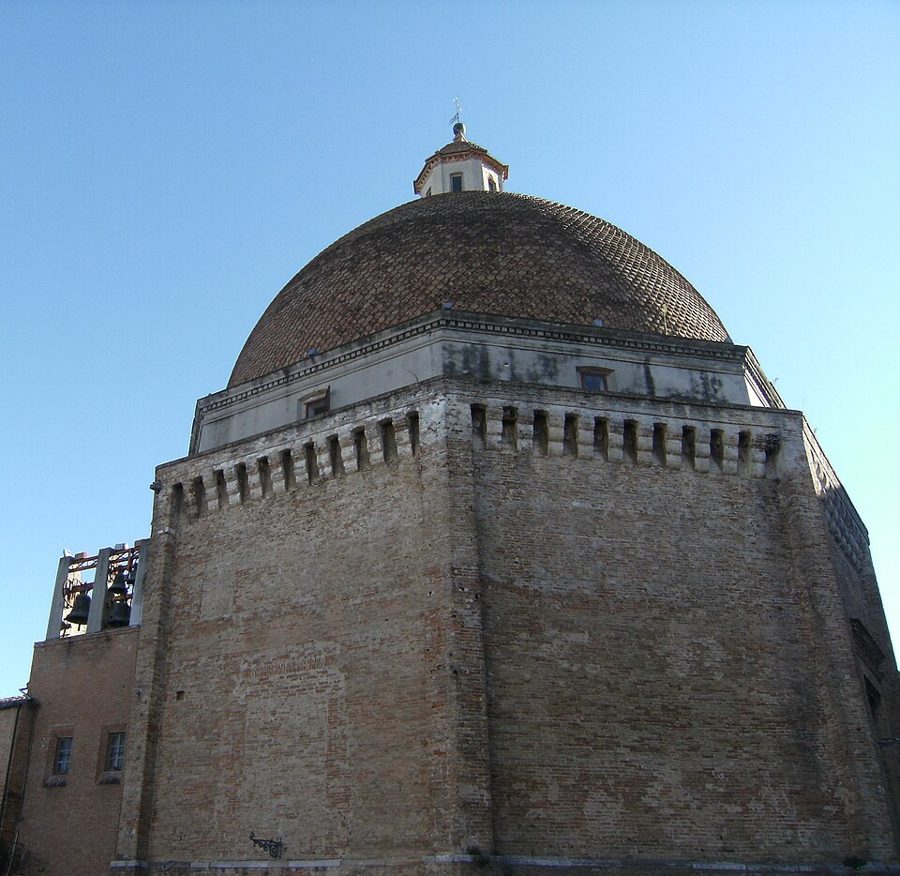
The heart of the Renaissance town and a national monument since 1902. Built in the 1470s, it has the octagonal plan of churches dedicated to the Virgin (until the 17th century it was called Santa Maria in Piazza, and people called it «la Rotonda»). Its walls, about two metres thick, its machicolations and its walkway make it look like a tower: it was also a defence. The dome was covered with blue majolica that reflected the sun, a landmark for sailors. The crypt holds the treasure of the collegiate church, with 14th-century goldwork from Teramo and the reliquary of Saint Flavian.
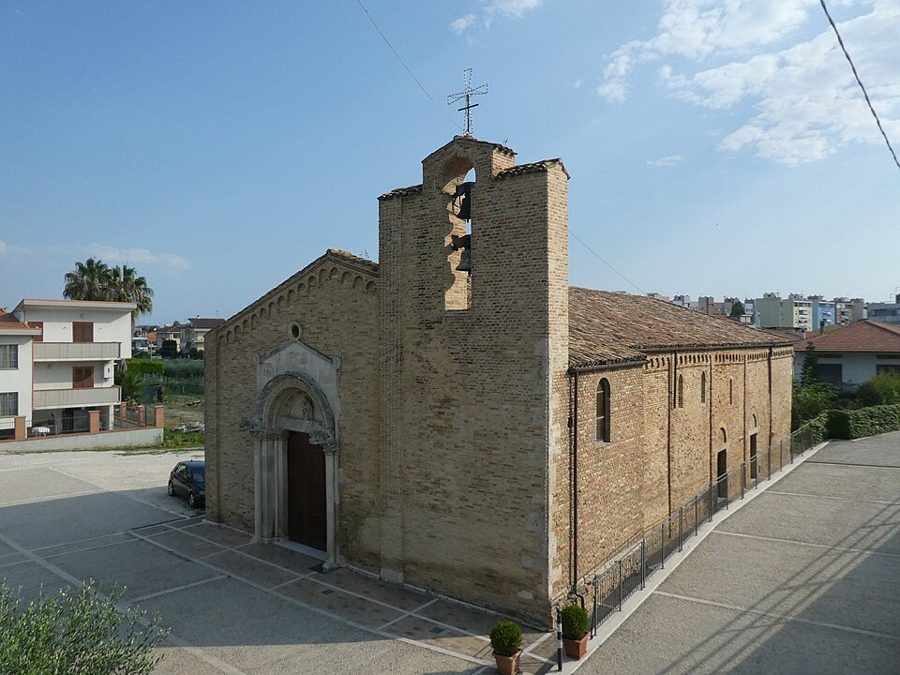
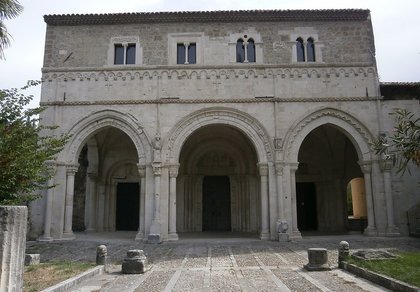
The oldest church still standing in town, from the 10th–11th century, in the Annunziata area where Roman Giulianova stood. Romanesque and built of stone, it has a fine carved portal with animals and allegorical figures, attributed to Raimondo di Podio, who also made the portal of Atri cathedral. Saint Gabriel of Our Lady of Sorrows stopped here in 1859.
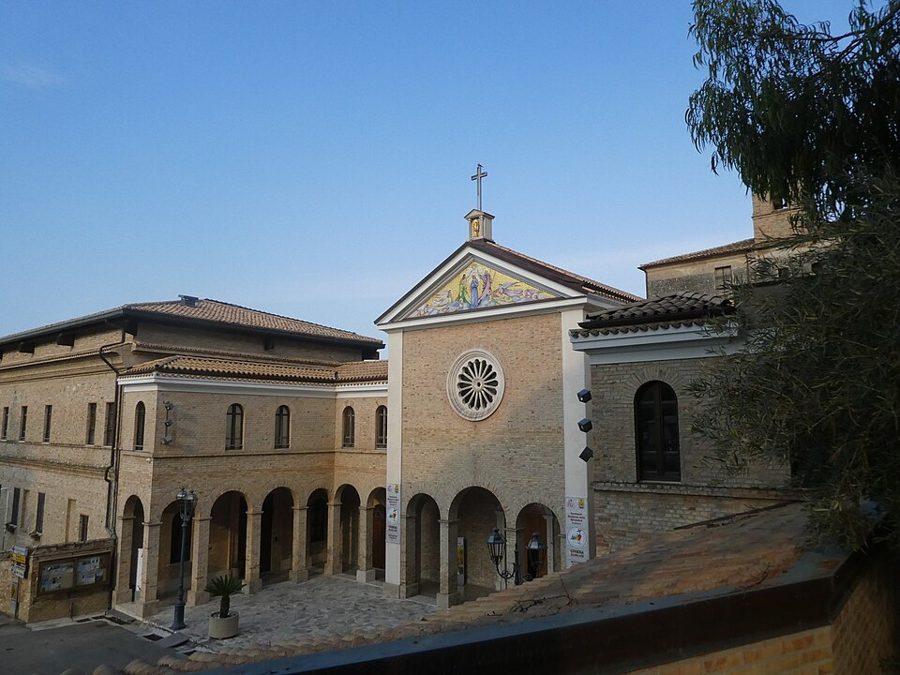
On Viale dello Splendore, just outside the old town, the sanctuary commemorates the apparition of the Virgin in 1557. The present church dates from 1907, next to the 16th-century Capuchin friary; inside is an altarpiece from about 1570, and the complex includes the Splendore Art Museum and the bronze Stations of the Cross by Ubaldo Ferretti. It is the starting point of the «Cammino teramano», a walking route that ends at the sanctuary of San Gabriele.
Four towers of the walls survive: the largest is «la Rocca», at the highest point, home of the Archaeological Museum with finds from Castrum Novum; then «il Bianco», the Porta Santa Maria tower, partly inside Palazzo Re, and the tower of the ducal palace in Piazza Buozzi. From the Belvedere in Piazza della Libertà you can see the Lido, the harbour and the coast. The old town also has the Vincenzo Bindi Civic Art Gallery, the sculpture hall devoted to Raffaello Pagliaccetti, who made the bronze monument to Victor Emmanuel II in Piazza della Libertà, and the house museum of the painter Vincenzo Cermignani. The Salita Monte Grappa, with the old wash house, was the first footpath between the upper town and the Lido.
Designed in 1933 by the local architect Giuseppe Meo and built from 1936, it runs for about seven hundred metres along the central part of the beach, with seven exedrae and a travertine balustrade among palm trees and lamps. Protected since 1969, it is the place for the evening stroll, summer and winter.
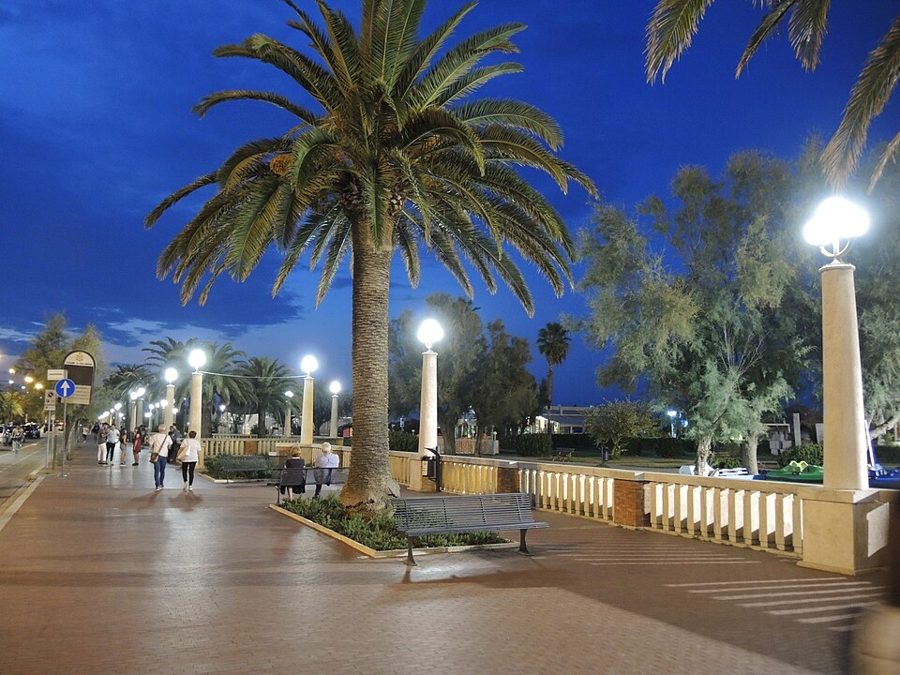
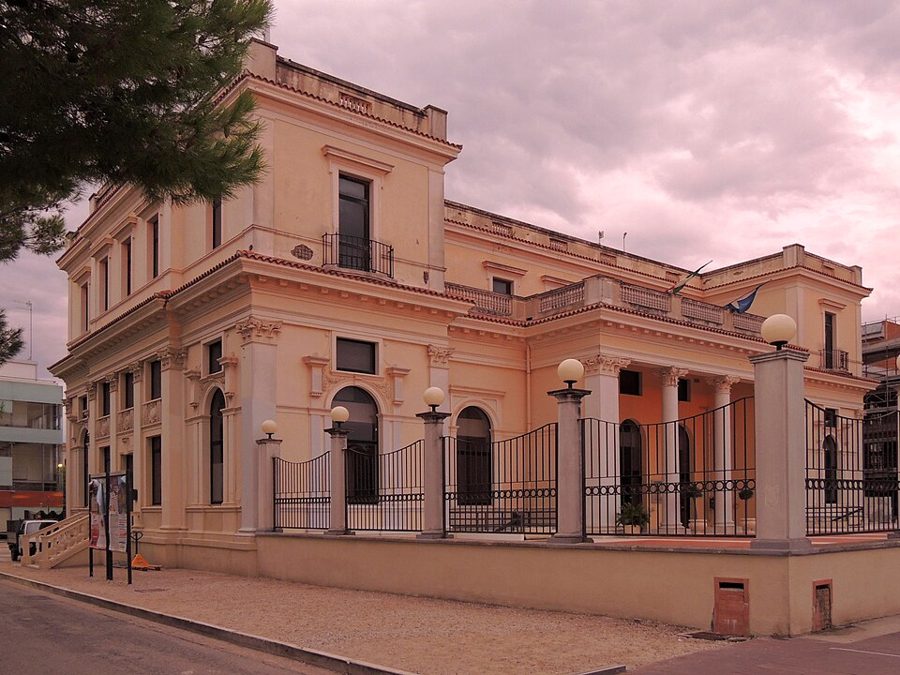
In the early 20th century Giulianova became an elegant seaside resort: along the seafront and on Viale dello Splendore rose Art Nouveau villas such as Silvio Gambini’s villino Paris-Costantini, Villa Dulcis and Villa Castelli-Montano, decorated by Adolfo De Carolis. Palazzo Kursaal, built in the 1920s as a hotel and one of the first reinforced-concrete buildings in Italy, now belongs to the town and hosts exhibitions, conferences and concerts.
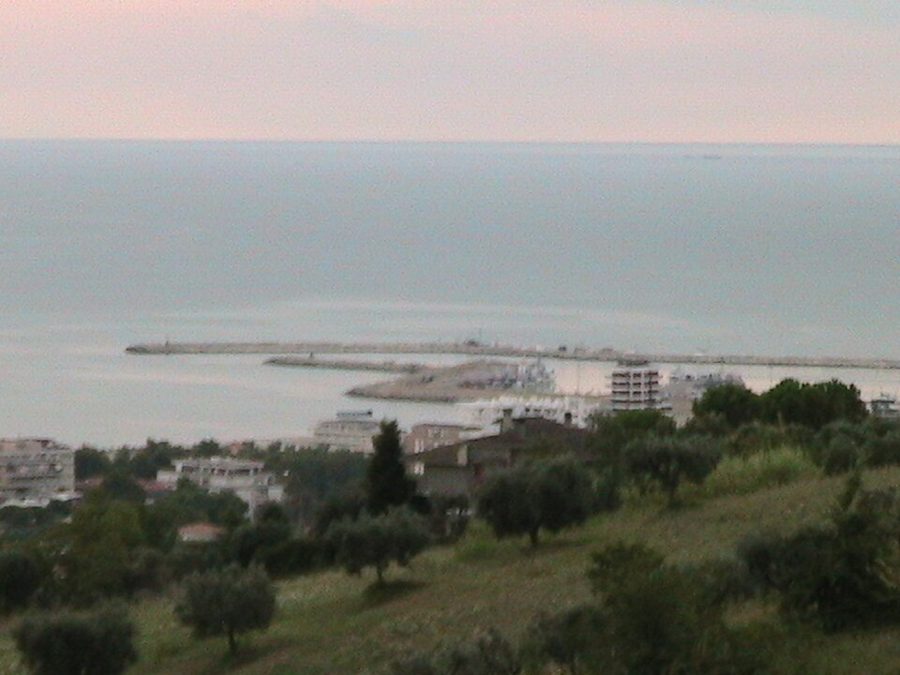
The harbour, begun in the early 1900s, has a fishing area and a marina. On the rocks of the south pier stand the caliscendi, wooden huts with large lift nets, built to fish in winter without going out to sea; some have now become restaurants and bars. From the pier at sunset you can see the dome of San Flaviano above the town.
The beach is fine sand that slopes gently, good for children; it runs from the border with Tortoreto, north of Lungomare Zara, to the harbour and then, to the south, along Lungomare Spalato and Lungomare Rodi towards the Annunziata area and the mouth of the Tordino. There are dozens of beach clubs and some stretches of free beach. To the south, towards the Tordino and Cologna Spiaggia, are the campsites and farm campsites.
The Adriatic cycle route runs along the seafront: by bike you can ride north to Tortoreto Lido, Alba Adriatica and Martinsicuro, almost always on a separate path (see our coast page). The bathing season runs from June to September; May and late September are quieter.
🏖️ The climate of the Abruzzo coast: breezes, garbino, sea storms and the sea season by season.
The town’s dish is brodetto alla giuliese, the fishermen’s soup with Adriatic fish, tomato and pepper: every family and every harbour restaurant has its own version. There is also an «antipasto alla giuliese», based on seafood. In the 19th century the Orsini distillery invented the Doppio Arancio liqueur here, and in 1809 the chemist Vincenzo Comi opened one of the first liquorice factories in Abruzzo.
From the hills come wine and Pretuziano olive oil from the Teramo hills; and for meat, arrosticini are never missing here either.
The International Festival of Marching Bands, founded in 2000, brings bands from all over the world for four days every year in late spring, with the final evening in Piazza Buozzi. Saint Flavian, the patron saint, is celebrated on 24 November, the day on which, according to tradition, his relics reached the beach. In summer the seafront and the Kursaal host concerts and exhibitions. Dates and programmes change every year: check the town’s website.
Fish restaurants, pizzerias, bars, beach clubs, hotels, B&Bs, campsites, shops, churches and museums in Giulianova: open the list.
🔎 Search all of Abruzzo · Data checked on Google Maps, Tripadvisor and the businesses’ websites.
By car: A14 motorway, Teramo-Giulianova-Mosciano exit, then the Teramo-mare expressway to the SS16 coast road. From Rome: A24 to Teramo, then the Teramo-mare: about 200 km. By train: Giulianova station, opened in 1863, is on the Adriatic line (Bologna-Ancona-Pescara-Bari) and is the terminus of the railway to Teramo; it is at the Lido, a few minutes’ walk from the sea. TUA urban and regional buses; timetables on our transport page.
Giulianova, at 68 m, is best visited from June to September for the sea, the beach and the beach clubs, all year round for the historic centre and in May and late September for quieter beaches and the seafront cycle path.
Giulianova Alta, at 68 m, is the Renaissance old town with the Cathedral of San Flaviano, the towers and the museums; Giulianova Lido is the part by the sea, with the station, the monumental seafront, the beach clubs and the harbour. They are about a kilometre apart: you go up by car, by bus or on foot along the Salita Monte Grappa.
In the fish restaurants by the harbour and along the seafront, and in some of the caliscendi on the south pier that have become restaurants. The list is in the «Where to eat and stay» section; the recipe is on our brodetto alla giuliese page.
Yes: Giulianova station is on the Adriatic line, with regional and high-speed trains, and is the terminus of the railway to Teramo. It is at the Lido, a few minutes’ walk from the sea.
In the «Where to eat, sleep and what to find» box on this page: restaurants, hotels, B&Bs, bars, local produce shops, churches, monuments, huts and tourist offices, with a Google Maps link. All villages are also in the search by category.

Rocca di Mezzo, Rocca di Cambio, Rovere, Terranera, Ovindoli

The Medieval Villages of the Gran Sasso, with their castles, towers, and ancient settlements that once dominated Abruzzo

The village of Cappadocia, in the western part of the Aquilan Abruzzo

The village of Casamaina, a favourite among skiers heading to Campo Felice or Ovindoli

The village of Castel del Monte, the highest settlement in the Gran Sasso area

The village of Civitella Alfedena, in the Abruzzo, Lazio and Molise National Park

Mountaineering on the Gran Sasso, the ideal place for freeride lovers seeking demanding routes

The city of L'Aquila, with its restored Renaissance palaces, a place rich in culture

The 2012 snowfall in L'Aquila brought over one metre of snow in 24 hours — unbelievable images

The village of Pescasseroli, heart of the Abruzzo, Lazio and Molise National Park

The village of Pietracamela, on the north-eastern side of the Gran Sasso, at the foot of Corno Piccolo — a magical and unexpected place

Prati di Tivo, a winter ski resort offering breathtaking views to all who visit

San Domenico and the Serpari ritual, held every first Thursday of May

The 2012 snowfall in Scoppito reached nearly two metres in height

The village of Opi, a splendid settlement in the Abruzzo, Lazio and Molise National Park





Punta Aderci, with the Abruzzese trabocchi stretching from Vasto through Fossacesia to San Vito Chietino


Lake Campotosto, nestled between the Gran Sasso and Monti della Laga ranges, within the national park of the same name

The Capodacqua reservoir, with submerged mills and crystal-clear waters, a paradise for divers

The swimming lake of Scanno, named after the village overlooking it — a place worth visiting

Lake Sinizzo, just a few kilometres from San Demetrio, is the ideal place for nature lovers seeking fresh, clear waters

Lake San Domenico, named after the nearby hermitage; its crystal-clear waters make it unique. Swimming not allowed

The Fountain of the 99 Spouts, a symbol of the city of L'Aquila

The Basilica of Santa Maria di Collemaggio, resting place of Pope Celestine V

The Sanctuary of Madonna d'Appari, set among the rocks along the road between Paganica and Assergi

The Church of San Panfilo, in the municipality of Tornimparte, with its frescoes — a place worth visiting

The Stiffe Caves, inside the Velino-Sirente Regional Park — a magical place to explore
The most popular ski resorts, the updated snow report and useful information on how to find lifts or book accommodation for your winter holiday
Vai
View the webcams in Abruzzo and check real‑time weather conditions. Some webcams belong to www.abruzzoparchi.it, others are located throughout the region
Vai
Weather forecasts for the coming days in Abruzzo. Live weather via our webcams and temperatures recorded in several mountain areas
Vai
Maps for trekking, mountain biking, ski touring, running and horse riding. You can also download the GPX track of each route
Vai
Walks, diving, climbing, mountain biking, horse riding — all outdoor activities available in Abruzzo
Vai
Choose between sea or mountains, summer or winter, a sporty holiday or a relaxing one — Abruzzo has it all
Vai
Abruzzo is famous for its cuisine, both mountain and coastal, with traditions that vary from area to area
Vai
Abruzzo’s villages are famous for their fortresses, mountains and the traditional trabocchi along the southern coast
Vai
One of Italy’s most famous and oldest national parks
Vai
One of Italy’s wildest parks, with typical Apennine landscapes and Dolomite‑like peaks
Vai
Located in the heart of the Apennines, home to the beautiful villages of the Rocche Plateau
Vai
One of the snowiest places in Italy, a unique mountain massif rising close to the sea
Vai