
Skiing in Abruzzo – snow report
The most popular ski resorts, the updated snow report and useful information on how to find lifts or book accommodation for your winter holiday


A pulse halfway between chickpea and lentil, angular like a pebble: it once replaced meat on mountain tables. In Castelvecchio Calvisio it is back in the fields and has its own August festival. Here is how it is grown, how to cook it and where to find it.
The most popular ski resorts, the updated snow report and useful information on how to find lifts or book accommodation for your winter holiday

View the webcams in Abruzzo and check real‑time weather conditions. Some webcams belong to www.abruzzoparchi.it, others are located throughout the region

Weather forecasts for the coming days in Abruzzo. Live weather via our webcams and temperatures recorded in several mountain areas
Maps for trekking, mountain biking, ski touring, running and horse riding. You can also download the GPX track of each route
Abruzzo’s villages are famous for their fortresses, mountains and the traditional trabocchi along the southern coast
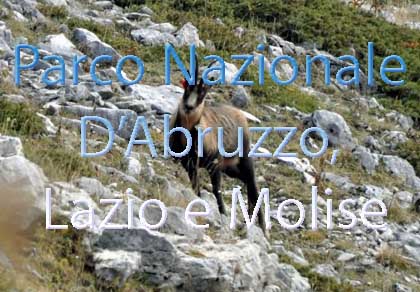
One of Italy’s most famous and oldest national parks
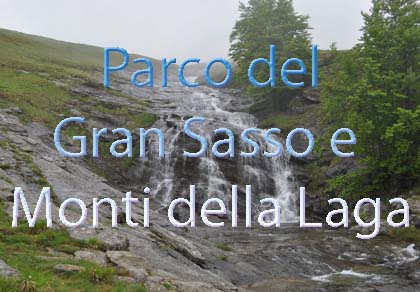
Located in the heart of the Apennines, home to the beautiful villages of the Rocche Plateau
One of the snowiest places in Italy, a unique mountain massif rising close to the sea
Choose between sea or mountains, summer or winter, a sporty holiday or a relaxing one — Abruzzo has it all

Abruzzo is famous for its cuisine, both mountain and coastal, with traditions that vary from area to area
Walks, diving, climbing, mountain biking, horse riding — all outdoor activities available in Abruzzo

The red gold of the Navelli plateau: stigmas picked at dawn and dried over embers.

Tiny and dark, grown above 1,200 metres below the Gran Sasso: a Slow Food Presidium.

The ancient «pebble» pulse of the Baronia, between chickpea and lentil, for soups and fracchiata.

Climbing beans from the Vera basin, «a pane» and white: a Slow Food Presidium.

Red-purple skins, intense flavour and traditional braids from the Valle Peligna.

Potatoes and carrots from the reclaimed Fucino plain, two Abruzzo PGIs.

Sheep’s cheese from the Campo Imperatore pastures, aged in cellars: a Slow Food Presidium.

The stretched-curd cow’s milk cheese of the Cinquemiglia plateau, fresh or smoked.

An oval cured sausage tied in pairs, with a strip of lard in the centre, aged in the lake wind.

Horseshoe-shaped, spicy or sweet with honey: eaten on Easter morning. A Slow Food Presidium.

Black winter, summer scorzone and white truffles in the woods of the Marsica.
Irregular sand-coloured seeds with a floury, slightly sweet taste: the grass pea is one of the oldest pulses of the Mediterranean, and in the village of Castelvecchio Calvisio it is still at home.
The seed of Lathyrus sativus, a hardy and very ancient pulse.
The grass pea, cicerchia (Lathyrus sativus), is a pulse halfway between chickpea and lentil: the seeds are flattened and angular, beige-grey, with a floury, slightly sweet taste. Thanks to its nutrients it was once used as a substitute for meat.
In Castelvecchio Calvisio it was widely grown and eaten. After a long period of neglect it has been rediscovered by a few local farms, which still grow it in small quantities.
Production is centred on Castelvecchio Calvisio, a village at 1,045 metres in the Terre della Baronia, on the southern side of the Gran Sasso and Monti della Laga National Park, and on a few farms in Barisciano, Navelli and Santo Stefano di Sessanio.
In Abruzzo grass peas go with the strong flavours of meat and cured sausages and are often found at farmers’ markets.
Contacts checked on the official websites in October 2026: check availability and prices before ordering.
Livia Di Battista’s farm in Ofena, one of the producers and guardian farmers of the grass pea of the Castelvecchio Calvisio area.
Tap a photo to enlarge it.
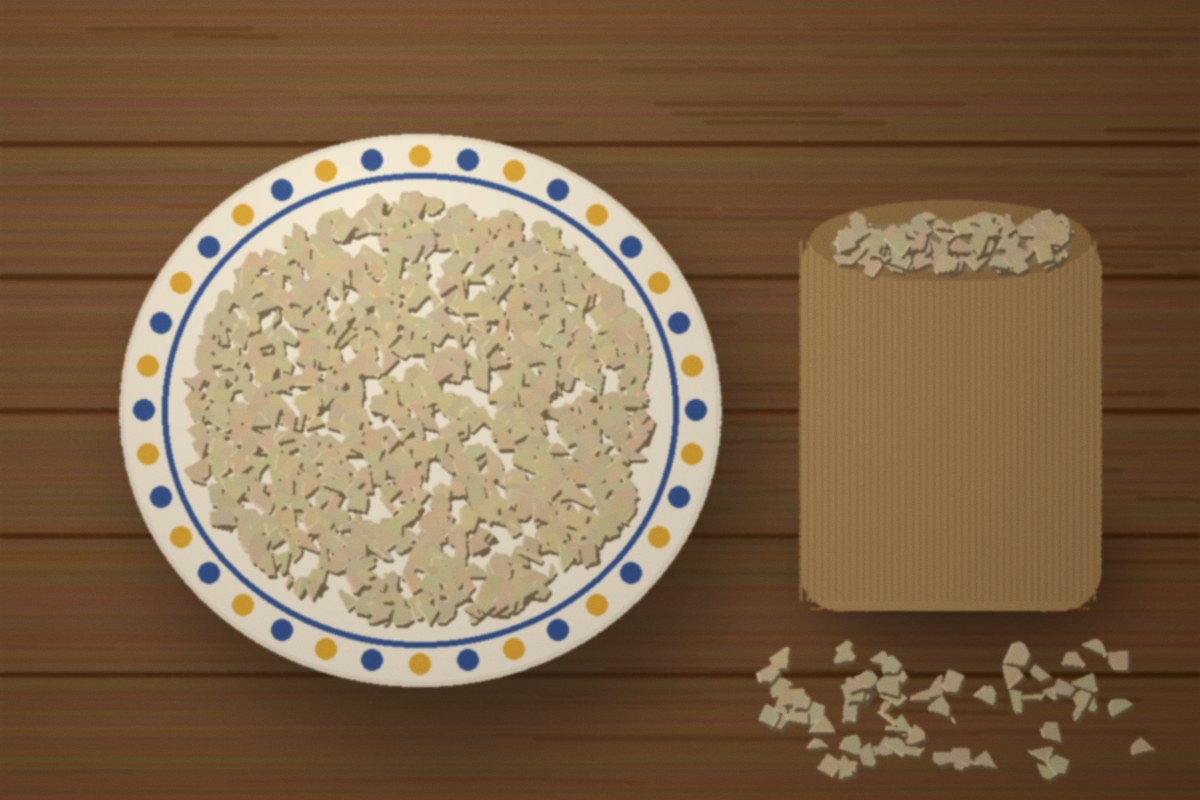
The image is an illustration drawn for abruzzoparchi.it: we could not find free photos showing the Abruzzo product itself. If you have a photo to share, write to us.
Grass peas have been grown around the Mediterranean for thousands of years. In the mountain villages around L’Aquila they were a food for hard times: they withstood drought and gave a crop even in the worst years.
As the countryside was abandoned they almost disappeared. Today Castelvecchio Calvisio celebrates them every year with an August festival involving the whole village.
Il nostro menù con l'elenco dei nostri collegamenti rapidi.
The most popular ski resorts, the updated snow report and useful information on how to find lifts or book accommodation for your winter holiday
Vai
View the webcams in Abruzzo and check real‑time weather conditions. Some webcams belong to www.abruzzoparchi.it, others are located throughout the region
Vai
Weather forecasts for the coming days in Abruzzo. Live weather via our webcams and temperatures recorded in several mountain areas
Vai
Maps for trekking, mountain biking, ski touring, running and horse riding. You can also download the GPX track of each route
Vai
Walks, diving, climbing, mountain biking, horse riding — all outdoor activities available in Abruzzo
Vai
Choose between sea or mountains, summer or winter, a sporty holiday or a relaxing one — Abruzzo has it all
Vai
Abruzzo is famous for its cuisine, both mountain and coastal, with traditions that vary from area to area
Vai
Abruzzo’s villages are famous for their fortresses, mountains and the traditional trabocchi along the southern coast
Vai
One of Italy’s most famous and oldest national parks
Vai
One of Italy’s wildest parks, with typical Apennine landscapes and Dolomite‑like peaks
Vai
Located in the heart of the Apennines, home to the beautiful villages of the Rocche Plateau
Vai
One of the snowiest places in Italy, a unique mountain massif rising close to the sea
Vai