
Skiing in Abruzzo – snow report
The most popular ski resorts, the updated snow report and useful information on how to find lifts or book accommodation for your winter holiday


In the inland villages of the Chieti area, such as Guilmi, and throughout the Frentano area around Lanciano, a lean salami is made with just salt and pepper and pressed under heavy wooden boards until it takes a rectangular shape. Here is how it is made and where to find it.
The most popular ski resorts, the updated snow report and useful information on how to find lifts or book accommodation for your winter holiday

View the webcams in Abruzzo and check real‑time weather conditions. Some webcams belong to www.abruzzoparchi.it, others are located throughout the region

Weather forecasts for the coming days in Abruzzo. Live weather via our webcams and temperatures recorded in several mountain areas
Maps for trekking, mountain biking, ski touring, running and horse riding. You can also download the GPX track of each route
Abruzzo’s villages are famous for their fortresses, mountains and the traditional trabocchi along the southern coast
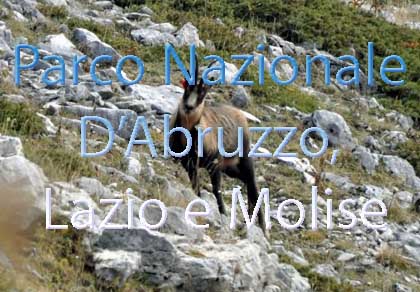
One of Italy’s most famous and oldest national parks
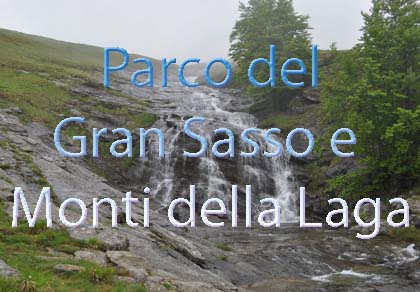
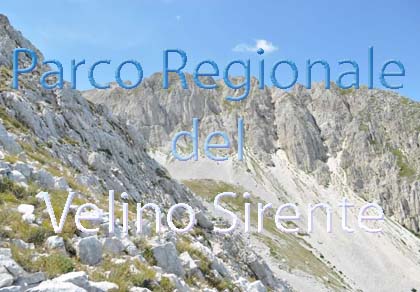
Located in the heart of the Apennines, home to the beautiful villages of the Rocche Plateau
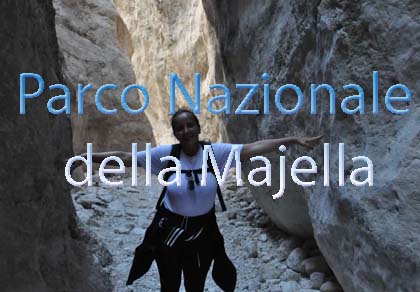
One of the snowiest places in Italy, a unique mountain massif rising close to the sea
Choose between sea or mountains, summer or winter, a sporty holiday or a relaxing one — Abruzzo has it all

Abruzzo is famous for its cuisine, both mountain and coastal, with traditions that vary from area to area
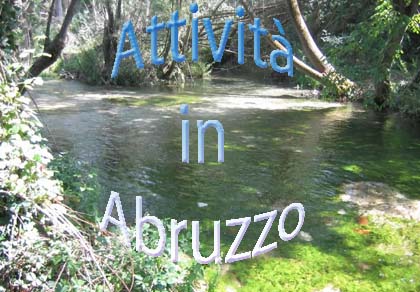
Walks, diving, climbing, mountain biking, horse riding — all outdoor activities available in Abruzzo

Large pieces of pork with sweet pepper, in a pig’s bladder: a Slow Food Presidium.

The lean salami pressed under boards, from the Frentano tradition: a Slow Food Presidium.

Pear-shaped stretched-curd cow’s milk cheese, hung in pairs to age.

The extra virgin oil of the Chieti hills, between the Majella and the sea, from the Gentile di Chieti olive.

Small red horn peppers, dried on strings and ground: a Slow Food Presidium.

The «mazzaferrata» artichoke of the Vastese, celebrated every spring at the Cupello festival.
Ham, shoulder, loin and capocollo, very little fat, salt and peppercorns, a hand-tied casing and wooden boards to press it: a cured meat already mentioned in the statutes of Lanciano in 1592.
A salami of lean meat only, seasoned with salt and pepper and pressed.
Salsicciotto is made with lean cuts of pork: ham, shoulder, loin and capocollo, with fat never more than 10–20%. The meat, ground medium-coarse, is seasoned only with salt and pepper, whole or cracked, without preservatives.
After a few days’ rest it is pressed under large wooden boards, giving it the typical shape of a small irregular block. In the Frentano area it is a Slow Food Presidium as salsicciotto frentano; Guilmi is one of the inland villages where the tradition lives on.
It is made inland in the province of Chieti: in the Frentano area, along the upper and middle Sangro and Aventino valleys, on the eastern slopes of the Majella, from Lanciano to Casoli and Montenerodomo, and in hill villages such as Guilmi.
Lean and tasty, salsicciotto is enjoyed above all sliced.
Contacts checked on the official websites in October 2026: check availability and prices before ordering.
Farm stay in Lanciano, a producer for the salsicciotto frentano Presidium; Berardino Abbonizio is the producers’ contact person.
Clara Ragnelli’s farm stay in Pizzoferrato, a Presidium producer.
Adriano Caporale’s butcher’s shop in Lanciano, a Presidium producer.
Tap a photo to enlarge it.

The image is an illustration drawn for abruzzoparchi.it: we could not find free photos showing the Abruzzo product itself. If you have a photo to share, write to us.
Salsicciotto is mentioned in the «Ancient Chapters of the City of Lanciano» of 1592. In an 18th-century account book of the convent of Santa Chiara in Lanciano it even appears as payment to the lawyer handling the nuns’ cases.
It is one of the most typical cured meats of inland Chieti, alongside oil, breads, sweets and sheep’s cheeses. The Slow Food Presidium is supported by the GAL Maiella Verde.
Il nostro menù con l'elenco dei nostri collegamenti rapidi.
The most popular ski resorts, the updated snow report and useful information on how to find lifts or book accommodation for your winter holiday
Vai
View the webcams in Abruzzo and check real‑time weather conditions. Some webcams belong to www.abruzzoparchi.it, others are located throughout the region
Vai
Weather forecasts for the coming days in Abruzzo. Live weather via our webcams and temperatures recorded in several mountain areas
Vai
Maps for trekking, mountain biking, ski touring, running and horse riding. You can also download the GPX track of each route
Vai
Walks, diving, climbing, mountain biking, horse riding — all outdoor activities available in Abruzzo
Vai
Choose between sea or mountains, summer or winter, a sporty holiday or a relaxing one — Abruzzo has it all
Vai
Abruzzo is famous for its cuisine, both mountain and coastal, with traditions that vary from area to area
Vai
Abruzzo’s villages are famous for their fortresses, mountains and the traditional trabocchi along the southern coast
Vai
One of Italy’s most famous and oldest national parks
Vai
One of Italy’s wildest parks, with typical Apennine landscapes and Dolomite‑like peaks
Vai
Located in the heart of the Apennines, home to the beautiful villages of the Rocche Plateau
Vai
One of the snowiest places in Italy, a unique mountain massif rising close to the sea
Vai