
Skiing in Abruzzo – snow report
The most popular ski resorts, the updated snow report and useful information on how to find lifts or book accommodation for your winter holiday


On the eastern side of the Gran Sasso, in Farindola, women have made a unique pecorino for centuries: it is curdled with pig rennet. It has a saffron-coloured rind and stays soft even when aged. Here is how it is made and whom to ask.
The most popular ski resorts, the updated snow report and useful information on how to find lifts or book accommodation for your winter holiday

View the webcams in Abruzzo and check real‑time weather conditions. Some webcams belong to www.abruzzoparchi.it, others are located throughout the region

Weather forecasts for the coming days in Abruzzo. Live weather via our webcams and temperatures recorded in several mountain areas
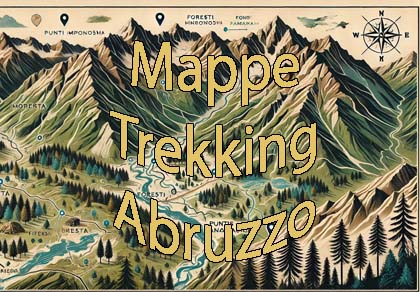
Maps for trekking, mountain biking, ski touring, running and horse riding. You can also download the GPX track of each route
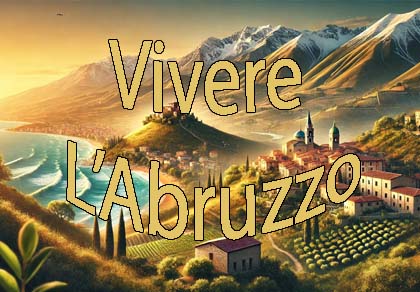
Abruzzo’s villages are famous for their fortresses, mountains and the traditional trabocchi along the southern coast
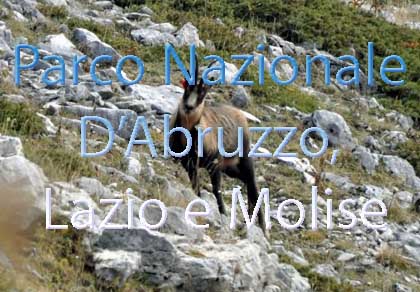
One of Italy’s most famous and oldest national parks
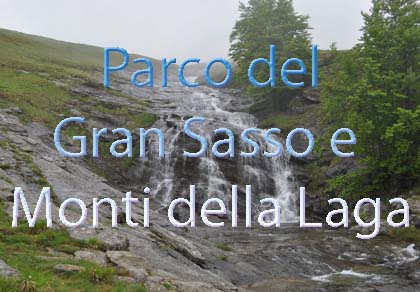
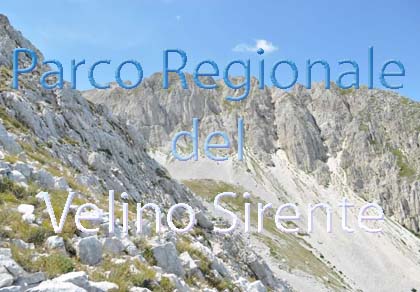
Located in the heart of the Apennines, home to the beautiful villages of the Rocche Plateau
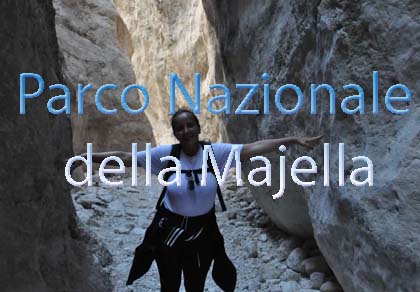
One of the snowiest places in Italy, a unique mountain massif rising close to the sea
Choose between sea or mountains, summer or winter, a sporty holiday or a relaxing one — Abruzzo has it all

Abruzzo is famous for its cuisine, both mountain and coastal, with traditions that vary from area to area
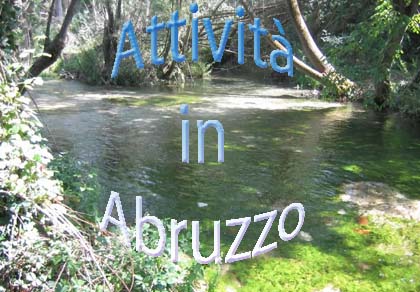
Walks, diving, climbing, mountain biking, horse riding — all outdoor activities available in Abruzzo

The pecorino made with pig rennet, on the eastern side of the Gran Sasso: a Slow Food Presidium.

One of Europe’s first PDO oils, from the hills of Loreto Aprutino, Penne and Pianella.
Hand-milked sheep’s milk, pig rennet, wicker baskets and long ageing in wooden chests: a very ancient pecorino, already known to the Romans as «cheese of the Vestini».
A raw-milk pecorino with pig rennet, born of a women’s tradition.
Pecorino di Farindola is made with hand-milked sheep’s milk from animals kept free-range for most of the year. What makes it unique is the pig rennet, which gives it particular aromas and flavours: a very ancient technique, mentioned as early as Roman times.
The paste is grainy, straw-yellow and slightly moist even when well aged; the taste has notes of mushroom, noble mould and dry wood, balanced between sharpness and the flavour of sheep’s milk. It is a Slow Food Presidium.
It is made in a small area on the eastern side of the Gran Sasso, largely inside the Gran Sasso and Monti della Laga National Park: the municipality of Farindola and neighbouring municipalities in the provinces of Pescara and Teramo.
Young, it is a table cheese; aged, it is grated, but stays soft and fragrant.
Contacts checked on the official websites in October 2026: check availability and prices before ordering.
The producers’ consortium, with the shared cellar where the cheeses age: it can tell you who sells it and where.
Presidium producer in Farindola.
Presidium producer in Penne, organic farm.
Presidium producer in Arsita, on the Teramo side.
Tap a photo to enlarge it.

The image is an illustration drawn for abruzzoparchi.it: we could not find free photos showing the Abruzzo product itself. If you have a photo to share, write to us.
Farindola was a populous village with large flocks thanks to its vast common pastures, and its cheese was sold at the markets of Penne and Loreto Aprutino. With post-war emigration, production shrank until it almost disappeared at the end of the 1990s.
The recipe has always been in the hands of women, who pass it down from generation to generation. The Slow Food Presidium relaunched production with the producers, now grouped in a consortium.
Il nostro menù con l'elenco dei nostri collegamenti rapidi.
The most popular ski resorts, the updated snow report and useful information on how to find lifts or book accommodation for your winter holiday
Vai
View the webcams in Abruzzo and check real‑time weather conditions. Some webcams belong to www.abruzzoparchi.it, others are located throughout the region
Vai
Weather forecasts for the coming days in Abruzzo. Live weather via our webcams and temperatures recorded in several mountain areas
Vai
Maps for trekking, mountain biking, ski touring, running and horse riding. You can also download the GPX track of each route
Vai
Walks, diving, climbing, mountain biking, horse riding — all outdoor activities available in Abruzzo
Vai
Choose between sea or mountains, summer or winter, a sporty holiday or a relaxing one — Abruzzo has it all
Vai
Abruzzo is famous for its cuisine, both mountain and coastal, with traditions that vary from area to area
Vai
Abruzzo’s villages are famous for their fortresses, mountains and the traditional trabocchi along the southern coast
Vai
One of Italy’s most famous and oldest national parks
Vai
One of Italy’s wildest parks, with typical Apennine landscapes and Dolomite‑like peaks
Vai
Located in the heart of the Apennines, home to the beautiful villages of the Rocche Plateau
Vai
One of the snowiest places in Italy, a unique mountain massif rising close to the sea
Vai