
Skiing in Abruzzo – snow report
The most popular ski resorts, the updated snow report and useful information on how to find lifts or book accommodation for your winter holiday


A hard sheep’s cheese born on the high pastures of Campo Imperatore, from the milk of flocks that climb to 1,800 metres in summer. It is named after the rush baskets in which it is shaped. Here is how it is made, how to enjoy it and whom to ask.
The most popular ski resorts, the updated snow report and useful information on how to find lifts or book accommodation for your winter holiday
View the webcams in Abruzzo and check real‑time weather conditions. Some webcams belong to www.abruzzoparchi.it, others are located throughout the region
Weather forecasts for the coming days in Abruzzo. Live weather via our webcams and temperatures recorded in several mountain areas
Maps for trekking, mountain biking, ski touring, running and horse riding. You can also download the GPX track of each route
Abruzzo’s villages are famous for their fortresses, mountains and the traditional trabocchi along the southern coast
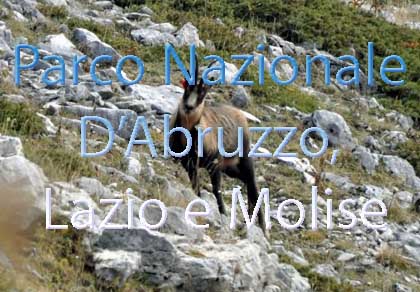
One of Italy’s most famous and oldest national parks
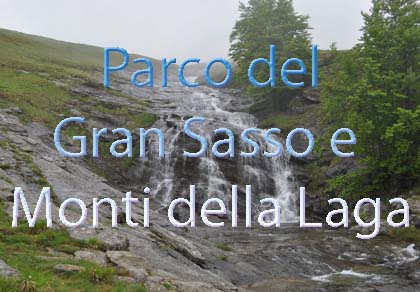
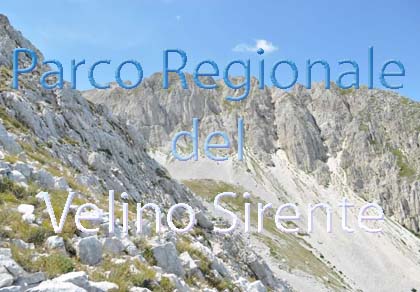
Located in the heart of the Apennines, home to the beautiful villages of the Rocche Plateau
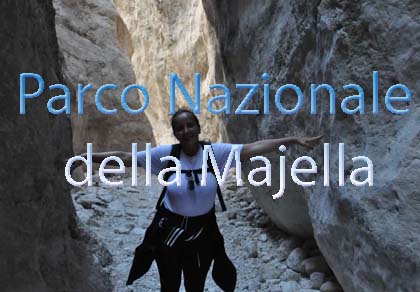
One of the snowiest places in Italy, a unique mountain massif rising close to the sea
Choose between sea or mountains, summer or winter, a sporty holiday or a relaxing one — Abruzzo has it all

Abruzzo is famous for its cuisine, both mountain and coastal, with traditions that vary from area to area
Walks, diving, climbing, mountain biking, horse riding — all outdoor activities available in Abruzzo

The red gold of the Navelli plateau: stigmas picked at dawn and dried over embers.

Tiny and dark, grown above 1,200 metres below the Gran Sasso: a Slow Food Presidium.

The ancient «pebble» pulse of the Baronia, between chickpea and lentil, for soups and fracchiata.

Climbing beans from the Vera basin, «a pane» and white: a Slow Food Presidium.

Red-purple skins, intense flavour and traditional braids from the Valle Peligna.

Potatoes and carrots from the reclaimed Fucino plain, two Abruzzo PGIs.

Sheep’s cheese from the Campo Imperatore pastures, aged in cellars: a Slow Food Presidium.

The stretched-curd cow’s milk cheese of the Cinquemiglia plateau, fresh or smoked.

An oval cured sausage tied in pairs, with a strip of lard in the centre, aged in the lake wind.

Horseshoe-shaped, spicy or sweet with honey: eaten on Easter morning. A Slow Food Presidium.

Black winter, summer scorzone and white truffles in the woods of the Marsica.
Sheep’s milk worked by hand, lamb rennet, cheeses pressed in baskets and long ageing in cellars: the taste of a transhumance that has lasted two thousand years.
A pure sheep’s milk pecorino born of transhumance.
Canestrato di Castel del Monte is a hard pecorino made from pure sheep’s milk, mainly from Sopravissana and Gentile di Puglia breeds. The cheeses weigh from about half a kilo to two and a half kilos and have a pronounced flavour that becomes sharp with age.
It is named after the rush baskets (canestri) in which the curd is pressed, which leave their pattern on the rind. It is a Slow Food Presidium, and the producers belong to the Consortium for the protection of Canestrato di Castel del Monte.
It comes from the pastures on the southern side of the Gran Sasso: much of the Campo Imperatore plateau, at around 1,800 metres, belongs to the municipality of Castel del Monte, in the Gran Sasso and Monti della Laga National Park.
Young, it is a table cheese; aged, it is grated over pasta like a strong pecorino.
Contacts checked on the official websites in October 2026: check availability and prices before ordering.
Farm and dairy in Castel del Monte, a Slow Food Presidium producer: it makes canestrato from the milk of its own sheep.
Slow Food coordinator for the Presidium: he can point you to producers and shops.
Tap a photo to enlarge it.
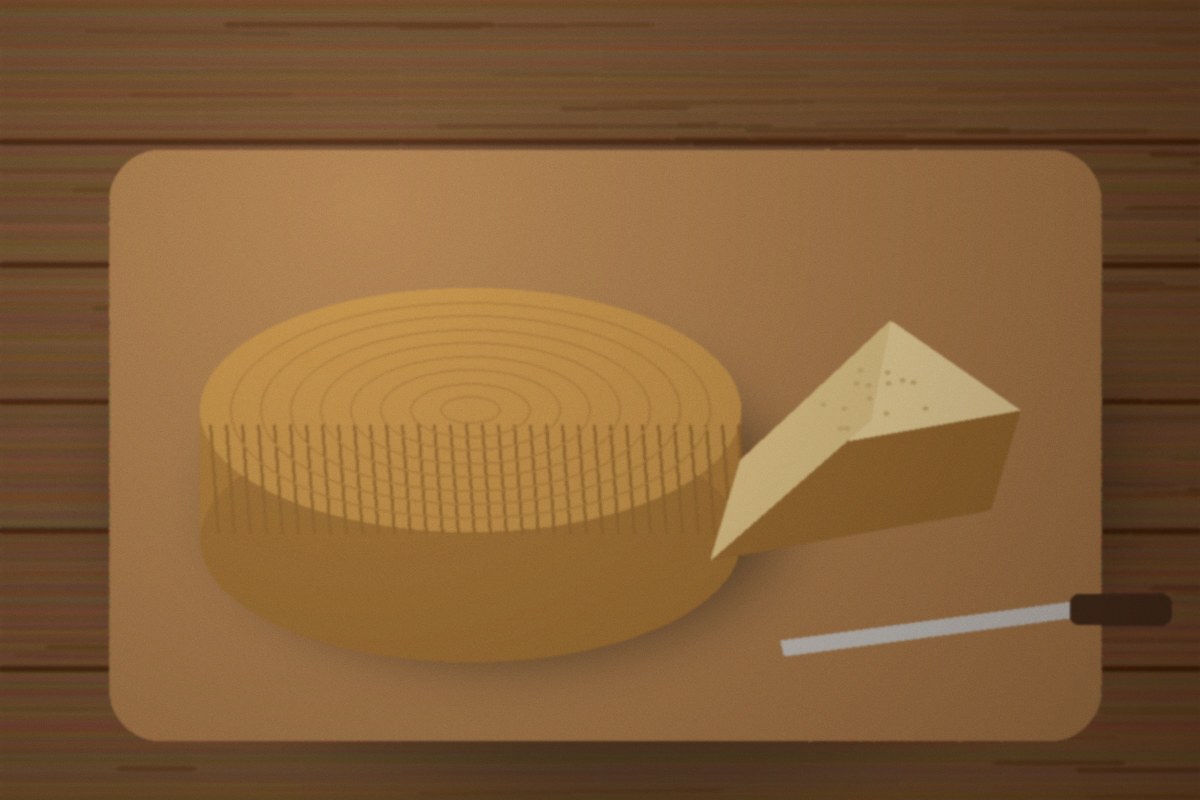
The image is an illustration drawn for abruzzoparchi.it: we could not find free photos showing the Abruzzo product itself. If you have a photo to share, write to us.
Transhumance has been practised on the Campo Imperatore plateau for at least two thousand years: in summer the flocks climbed the drove roads (tratturi) to the high pastures, in winter they went down towards Puglia. Castel del Monte was one of the main centres of this pastoral economy.
Today the tradition is shrinking. The Slow Food Presidium, working with the National Park, aims to preserve it and turn it into work and development for young people in the mountains.
Il nostro menù con l'elenco dei nostri collegamenti rapidi.
The most popular ski resorts, the updated snow report and useful information on how to find lifts or book accommodation for your winter holiday
Vai
View the webcams in Abruzzo and check real‑time weather conditions. Some webcams belong to www.abruzzoparchi.it, others are located throughout the region
Vai
Weather forecasts for the coming days in Abruzzo. Live weather via our webcams and temperatures recorded in several mountain areas
Vai
Maps for trekking, mountain biking, ski touring, running and horse riding. You can also download the GPX track of each route
Vai
Walks, diving, climbing, mountain biking, horse riding — all outdoor activities available in Abruzzo
Vai
Choose between sea or mountains, summer or winter, a sporty holiday or a relaxing one — Abruzzo has it all
Vai
Abruzzo is famous for its cuisine, both mountain and coastal, with traditions that vary from area to area
Vai
Abruzzo’s villages are famous for their fortresses, mountains and the traditional trabocchi along the southern coast
Vai
One of Italy’s most famous and oldest national parks
Vai
One of Italy’s wildest parks, with typical Apennine landscapes and Dolomite‑like peaks
Vai
Located in the heart of the Apennines, home to the beautiful villages of the Rocche Plateau
Vai
One of the snowiest places in Italy, a unique mountain massif rising close to the sea
Vai