
Skiing in Abruzzo – snow report
The most popular ski resorts, the updated snow report and useful information on how to find lifts or book accommodation for your winter holiday


For every activity on our site you will find what to pack, the rules to know, the legal requirements with fines and links to our pages on that sport. In an emergency call 112 and ask for Mountain Rescue (Soccorso Alpino).
The most popular ski resorts, the updated snow report and useful information on how to find lifts or book accommodation for your winter holiday
View the webcams in Abruzzo and check real‑time weather conditions. Some webcams belong to www.abruzzoparchi.it, others are located throughout the region

Weather forecasts for the coming days in Abruzzo. Live weather via our webcams and temperatures recorded in several mountain areas
Maps for trekking, mountain biking, ski touring, running and horse riding. You can also download the GPX track of each route
Abruzzo’s villages are famous for their fortresses, mountains and the traditional trabocchi along the southern coast
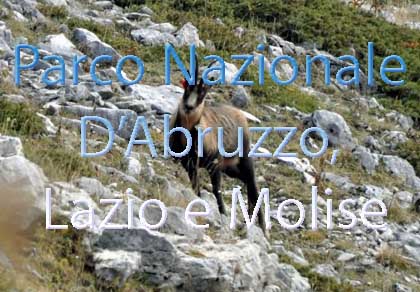
One of Italy’s most famous and oldest national parks
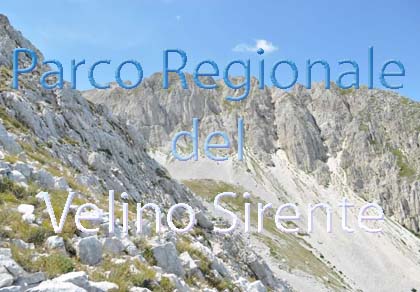
Located in the heart of the Apennines, home to the beautiful villages of the Rocche Plateau
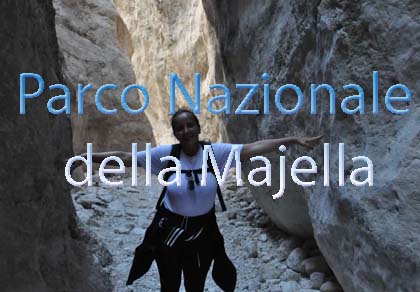
One of the snowiest places in Italy, a unique mountain massif rising close to the sea
Choose between sea or mountains, summer or winter, a sporty holiday or a relaxing one — Abruzzo has it all

Abruzzo is famous for its cuisine, both mountain and coastal, with traditions that vary from area to area
Walks, diving, climbing, mountain biking, horse riding — all outdoor activities available in Abruzzo

Rocca di Mezzo, Rocca di Cambio, Rovere, Terranera, Ovindoli

The Medieval Villages of the Gran Sasso, with their castles, towers, and ancient settlements that once dominated Abruzzo

The village of Cappadocia, in the western part of the Aquilan Abruzzo

The village of Casamaina, a favourite among skiers heading to Campo Felice or Ovindoli

The village of Castel del Monte, the highest settlement in the Gran Sasso area

The village of Civitella Alfedena, in the Abruzzo, Lazio and Molise National Park

Mountaineering on the Gran Sasso, the ideal place for freeride lovers seeking demanding routes

The city of L'Aquila, with its restored Renaissance palaces, a place rich in culture

The 2012 snowfall in L'Aquila brought over one metre of snow in 24 hours — unbelievable images

The village of Pescasseroli, heart of the Abruzzo, Lazio and Molise National Park

The village of Pietracamela, on the north-eastern side of the Gran Sasso, at the foot of Corno Piccolo — a magical and unexpected place

Prati di Tivo, a winter ski resort offering breathtaking views to all who visit

San Domenico and the Serpari ritual, held every first Thursday of May

The 2012 snowfall in Scoppito reached nearly two metres in height

The village of Opi, a splendid settlement in the Abruzzo, Lazio and Molise National Park





Punta Aderci, with the Abruzzese trabocchi stretching from Vasto through Fossacesia to San Vito Chietino


Lake Campotosto, nestled between the Gran Sasso and Monti della Laga ranges, within the national park of the same name

The Capodacqua reservoir, with submerged mills and crystal-clear waters, a paradise for divers

The swimming lake of Scanno, named after the village overlooking it — a place worth visiting

Lake Sinizzo, just a few kilometres from San Demetrio, is the ideal place for nature lovers seeking fresh, clear waters

Lake San Domenico, named after the nearby hermitage; its crystal-clear waters make it unique. Swimming not allowed

The Fountain of the 99 Spouts, a symbol of the city of L'Aquila

The Basilica of Santa Maria di Collemaggio, resting place of Pope Celestine V, the only pope buried outside Rome’s walls

The Sanctuary of Madonna d'Appari, set among the rocks along the road between Paganica and Assergi

The Church of San Panfilo, in the municipality of Tornimparte, with its frescoes — a place worth visiting

The Stiffe Caves, inside the Velino-Sirente Regional Park — a magical place to explore
For every activity on our site you will find what to pack, the rules to know, the legal requirements with fines and links to our pages on that sport. In an emergency call 112 and ask for Mountain Rescue (Soccorso Alpino).
Choose the trail by its CAI grade (T tourist, E hiking, EE for experts) and your fitness, start early and plan your return time. In Abruzzo afternoon thunderstorms are common from May to July: check the forecast and turn back if the sky closes in. There is no water up high: carry your own. Always bring a complete change of underwear: you reach the top sweaty right where it is coldest and windiest, and a wet T-shirt chills you within minutes; change as soon as you arrive.
The routes to Corno Grande, Sirente or Velino have exposed sections, easy rock and scree: you need experience, sure footing and no fear of heights. On protected sections and rock routes use a helmet and harness; if you lack experience, hire a mountain guide. Before setting off check the condition of via ferratas and protected sections with the park, the CAI or the huts: cables, rungs and chains can be damaged by rockfall and winters, and some sections stay closed. Tell someone your route.
Show caves are visited only with a guide: it is cool inside and the floor is wet. In gorges the dangers are floods after heavy rain and stones falling from the walls: do not go in after heavy rain or if a storm is forecast.
On mountain or gravel bikes on park trails, respect access bans, give way to walkers and check brakes and lights before setting off. A helmet is not compulsory for adult cyclists but is strongly recommended. Horse rides go out with riding centres and their guides, wearing a helmet and suitable shoes.
Bears, wolves and chamois live in the parks: watch them from afar, never leave or offer food. Stay on marked trails, keep dogs on a lead, do not light fires and take your rubbish home. Each park has its own rules: some areas may be visited only on set trails, with limited or guided access. Pastures may be guarded by sheepdogs: keep away from the flock and do not provoke them. If you bring your dog, first check that the route suits it and that dogs are allowed: in some park areas they are banned; avoid exposed ridges, scrambles, ladders and sharp scree, carry water for it too, and remember that in summer rock gets hot and in winter snow and ice can hurt its paws.
On the slopes the conduct rules of the winter sports decree apply: suitable speed, give way to those below you, do not stop in narrow places or where visibility is poor. Choose slopes suited to your level and check the snow report.
On the groomed loops of cross-country centres the risk is low; off the tracks, on the plateaus, fog and wind can make you lose your bearings within minutes. Wear light layers: you sweat going up and freeze going down.
Off the groomed slopes no one checks the snow: before going out read the Meteomont avalanche bulletin (danger level 1 to 5), choose routes suited to the level and your experience, go in a group and do a transceiver check at the start. Knowing how to use transceiver, shovel and probe is crucial: in a burial the first 15 minutes matter most, so practise and take a CAI course or go with a mountain guide.
Snowshoes do not protect you from avalanches: even a short slope can slide. Choose routes in the woods or on wide plains, avoid gullies and the foot of steep slopes after snowfall or when it warms up, and remember winter days are short: start early and be back in daylight.
In winter the normal routes of the Gran Sasso, Velino and Sirente become mountaineering climbs: hard snow and ice, cornices on the ridges, short days and strong wind. You need ice axe and crampon technique and experience in assessing snow; otherwise hire a mountain guide.
To reach ski resorts and mountain villages in winter you need winter tyres or snow chains on board: on roads covered by the road authorities’ ordinances the requirement normally runs from 15 November to 15 April, and also outside that period when it snows. Check pass closures and use ski buses and shuttles if you can.
Rules in force in October 2026: regions and municipalities may add requirements, and ski areas have their own regulations. Text of the decree: D.Lgs. 28 febbraio 2021, n. 40 – Gazzetta Ufficiale.
The most popular ski resorts, the updated snow report and useful information on how to find lifts or book accommodation for your winter holiday
Vai
View the webcams in Abruzzo and check real‑time weather conditions. Some webcams belong to www.abruzzoparchi.it, others are located throughout the region
Vai
Weather forecasts for the coming days in Abruzzo. Live weather via our webcams and temperatures recorded in several mountain areas
Vai
Maps for trekking, mountain biking, ski touring, running and horse riding. You can also download the GPX track of each route
Vai
Walks, diving, climbing, mountain biking, horse riding — all outdoor activities available in Abruzzo
Vai
Choose between sea or mountains, summer or winter, a sporty holiday or a relaxing one — Abruzzo has it all
Vai
Abruzzo is famous for its cuisine, both mountain and coastal, with traditions that vary from area to area
Vai
Abruzzo’s villages are famous for their fortresses, mountains and the traditional trabocchi along the southern coast
Vai
One of Italy’s most famous and oldest national parks
Vai
One of Italy’s wildest parks, with typical Apennine landscapes and Dolomite‑like peaks
Vai
Located in the heart of the Apennines, home to the beautiful villages of the Rocche Plateau
Vai
One of the snowiest places in Italy, a unique mountain massif rising close to the sea
Vai